East Africa is a birder’s paradise, with over 1,000 species ranging from the prehistoric Shoebill to flocks of flamingos that turn lakes pink. Whether you are dreaming of a birding safari or exploring multiple countries, we have the expertise to make it happen.
Key Highlights
- the “post-migration green season”
- the November game-drive average vehicle count at any wildlife sighting: 2 to 5 vehicles versus the September average of 8 to 24 vehicles
- October 15 to December 15, the average rainfall at Seronera in November: 65 to 95 millimeters compared to the July dry-season 10 to 15 millimeters
- the post-migration grazed-down short grass
- the 25 to 45-centimeter fresh green growth that produces the emerald-green Mara plain visible from the escarpment viewpoint
Masai Mara November 2027: the Post-Migration Mara and the Hidden-Season Wildlife Quality
Masai Mara November 2027: the Post-Migration Mara and the Hidden-Season Wildlife Quality
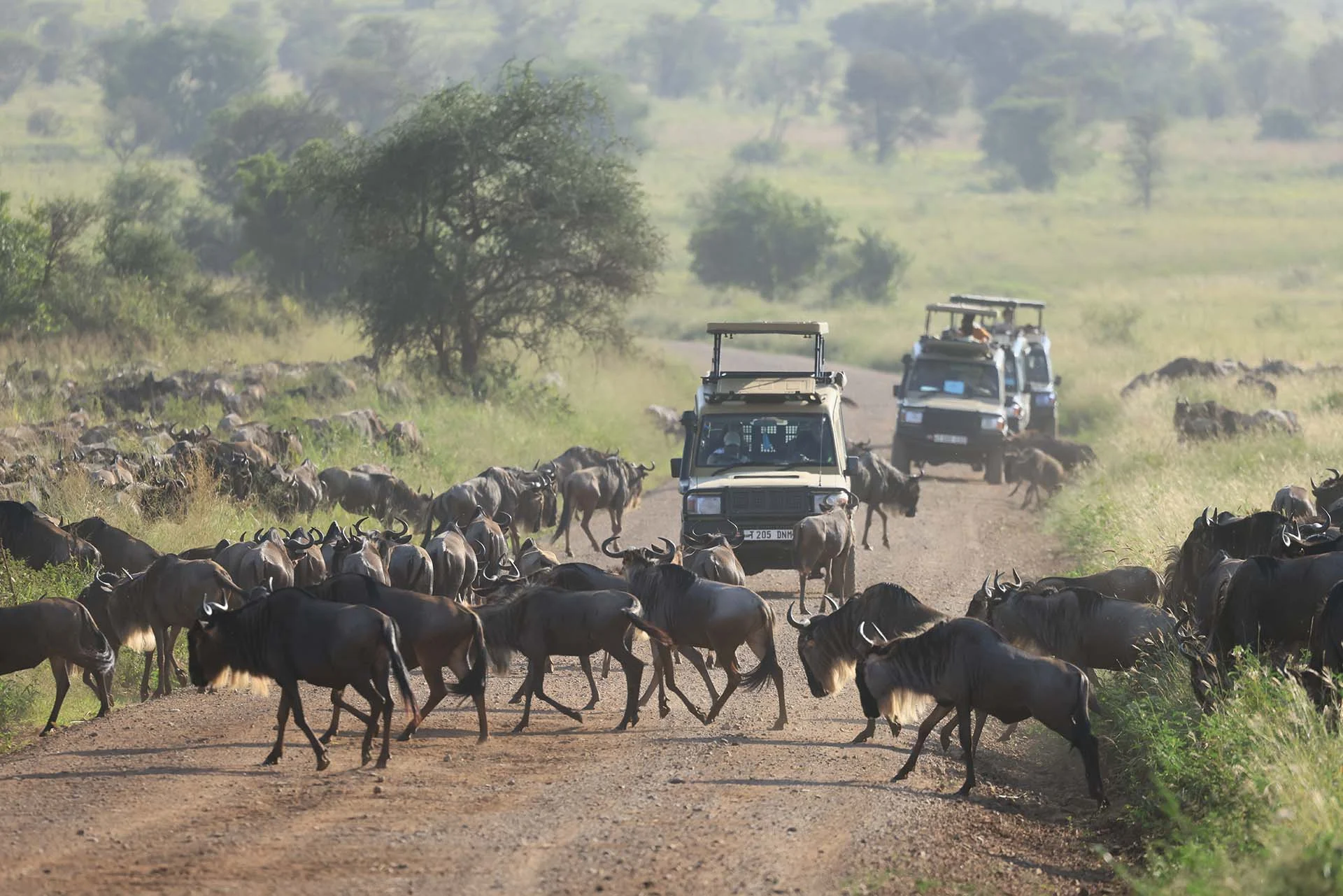
Masai Mara November 2027 — the post-migration Mara, the short-rains season characteristics and the overlooked wildlife quality that makes November 2027 the most-undervalued month in the Masai Mara safari calendar: the Masai Mara in November 2027 is the destination’s most-underestimated month — the departure of the Wildebeest migration column concentrates the majority of the safari market’s attention on the July to October crossing season, leaving the November Mara with 40 to 60 percent lower vehicle-density than the September peak .
The short rains: the Mara short-rains season produce the most dramatically-transformed Mara landscape of the annual cycle — the November grass transitions from the October dry-season 8 to 15-centimeter height to the November flush .
The short-rains light: the November short-rains produce a distinctive photography light that is unavailable in the dry season — the towering cumulus cloud formations provide the dramatic cloud-background for the wildlife portrait that makes November the preferred month for the landscape-wildlife composition specialists.
The wildlife density: the November Mara without the migration Wildebeest is not depleted — the resident wildlife community provides the permanent prey base that sustains the Big-Cat predator community throughout the year.
Masai Mara November 2027: the Big-Cat Activity, the Predator Density and the Post-Migration Hunting Behavior
Masai Mara November 2027 — the Big-Cat hunting activity, the predator density and the post-migration behavioral ecology: the Masai Mara’s predator community in November 2027 is in the behavioral transition from the “migration-prey-abundance” feeding pattern to the “resident-prey-specialist” hunting pattern — the Lion prides and the Cheetah families that have maintained high kill-rates on the Wildebeest and Zebra throughout July to October are adjusting the target-prey-selection back to the resident gazelle and Impala prey base in November, the behavioral transition producing the most-observable “hunt-to-kill” sequence in the annual Mara predator calendar as the predators work harder for smaller prey.
The Lion activity: the Mara’s 9 resident prides are at their maximum inter-pride territorial tension in November — the departure of the migration-prey buffer triggers the re-establishment of the pride territorial boundaries in November, producing the highest-frequency Lion roaring and pride-boundary confrontation encounters of the annual cycle .
The Cheetah: the November Mara Cheetah activity is the highest-frequency hunt-sequence-to-kill observable event in the annual Mara game-drive calendar — the 8 to 12 resident Cheetah transition from the Wildebeest-calf opportunism of the migration season to the dedicated Thomson’s Gazelle fawn hunt of the November green-grass season, the 2 to 4 Cheetah hunt attempts per morning drive producing the highest per-hour Cheetah-hunt-observation probability of any East Africa month.
The Leopard: the November Mara Leopard activity is the most reliably-observed of any month — the 28 to 36 individually-identified Leopards in the Mara Leopard Project database are at the most-active annual cub-rearing phase .
Masai Mara November 2027: the Birding Peak, the Flamingo Arrival and the Green-Season Specials
Masai Mara November 2027 — the November birdlife peak, the Palearctic migrant arrival and the green-season bird specials: the November Mara birdlife is the richest month in the annual cycle — the 484-species resident birdlist is supplemented in November by the full Palearctic migrant complement , the intra-African migrant arrival , the European Roller, and the Broad-billed Roller], and the Flamingo in November as the pan-water accumulates in the short rains, the 200 to 1,200 Flamingos at the Musiara Marsh pan in the November to December window producing the most unexpected “Flamingo in the Mara” photograph of the year].
The raptors: the November raptor diversity at the Mara is the highest of any month — the 54 raptor species recorded in the Mara in November include 22 resident breeding species and 32 Palearctic and intra-African migrant species, the November roost at the Mara’s Acacia tortilis trees of 40 to 80 Steppe Eagles and 20 to 40 Steppe Buzzards being the most spectacular single-species raptor aggregation visible from the standard Mara game-drive circuit.
Masai Mara November 2027: Accommodation, the Green-Season Rates and the Complete Safari Planning Guide
Masai Mara November 2027 — the accommodation options, the green-season rate advantage and the complete November 2027 safari planning guide: the November Mara is the “green-season value” month — the 40 to 60 percent reduction in vehicle density relative to the September peak is combined with a 20 to 35 percent reduction in accommodation rates , the combination producing the highest “wildlife-quality-per-USD-spent” ratio of any Mara month.
The 5 primary accommodation recommendations for the November 2027 Masai Mara: Rekero Camp ; Mahali Mzuri ; Olare Mara Kempinski ; Mara Intrepids ; Wilderness Mara .
Masai Mara November 2027: the Big-Cat Activity, the Predator Density and the Post-Migration Hunting Behavior
Masai Mara November 2027: the Post-Migration Mara and the Hidden-Season Wildlife Quality
Masai Mara November 2027 — the post-migration Mara, the short-rains season characteristics and the overlooked wildlife quality that makes November 2027 the most-undervalued month in the Masai Mara safari calendar: the Masai Mara in November 2027 is the destination’s most-underestimated month — the departure of the Wildebeest migration column concentrates the majority of the safari market’s attention on the July to October crossing season, leaving the November Mara with 40 to 60 percent lower vehicle-density than the September peak .
The short rains: the Mara short-rains season produce the most dramatically-transformed Mara landscape of the annual cycle — the November grass transitions from the October dry-season 8 to 15-centimeter height to the November flush .
The short-rains light: the November short-rains produce a distinctive photography light that is unavailable in the dry season — the towering cumulus cloud formations provide the dramatic cloud-background for the wildlife portrait that makes November the preferred month for the landscape-wildlife composition specialists.
The wildlife density: the November Mara without the migration Wildebeest is not depleted — the resident wildlife community provides the permanent prey base that sustains the Big-Cat predator community throughout the year.
Masai Mara November 2027: the Big-Cat Activity, the Predator Density and the Post-Migration Hunting Behavior
Masai Mara November 2027 — the Big-Cat hunting activity, the predator density and the post-migration behavioral ecology: the Masai Mara’s predator community in November 2027 is in the behavioral transition from the “migration-prey-abundance” feeding pattern to the “resident-prey-specialist” hunting pattern — the Lion prides and the Cheetah families that have maintained high kill-rates on the Wildebeest and Zebra throughout July to October are adjusting the target-prey-selection back to the resident gazelle and Impala prey base in November, the behavioral transition producing the most-observable “hunt-to-kill” sequence in the annual Mara predator calendar as the predators work harder for smaller prey.
The Lion activity: the Mara’s 9 resident prides are at their maximum inter-pride territorial tension in November — the departure of the migration-prey buffer triggers the re-establishment of the pride territorial boundaries in November, producing the highest-frequency Lion roaring and pride-boundary confrontation encounters of the annual cycle .
The Cheetah: the November Mara Cheetah activity is the highest-frequency hunt-sequence-to-kill observable event in the annual Mara game-drive calendar — the 8 to 12 resident Cheetah transition from the Wildebeest-calf opportunism of the migration season to the dedicated Thomson’s Gazelle fawn hunt of the November green-grass season, the 2 to 4 Cheetah hunt attempts per morning drive producing the highest per-hour Cheetah-hunt-observation probability of any East Africa month.
The Leopard: the November Mara Leopard activity is the most reliably-observed of any month — the 28 to 36 individually-identified Leopards in the Mara Leopard Project database are at the most-active annual cub-rearing phase .
Masai Mara November 2027: the Birding Peak, the Flamingo Arrival and the Green-Season Specials
Masai Mara November 2027 — the November birdlife peak, the Palearctic migrant arrival and the green-season bird specials: the November Mara birdlife is the richest month in the annual cycle — the 484-species resident birdlist is supplemented in November by the full Palearctic migrant complement , the intra-African migrant arrival , the European Roller, and the Broad-billed Roller], and the Flamingo in November as the pan-water accumulates in the short rains, the 200 to 1,200 Flamingos at the Musiara Marsh pan in the November to December window producing the most unexpected “Flamingo in the Mara” photograph of the year].
The raptors: the November raptor diversity at the Mara is the highest of any month — the 54 raptor species recorded in the Mara in November include 22 resident breeding species and 32 Palearctic and intra-African migrant species, the November roost at the Mara’s Acacia tortilis trees of 40 to 80 Steppe Eagles and 20 to 40 Steppe Buzzards being the most spectacular single-species raptor aggregation visible from the standard Mara game-drive circuit.
Masai Mara November 2027: Accommodation, the Green-Season Rates and the Complete Safari Planning Guide
Masai Mara November 2027 — the accommodation options, the green-season rate advantage and the complete November 2027 safari planning guide: the November Mara is the “green-season value” month — the 40 to 60 percent reduction in vehicle density relative to the September peak is combined with a 20 to 35 percent reduction in accommodation rates , the combination producing the highest “wildlife-quality-per-USD-spent” ratio of any Mara month.
The 5 primary accommodation recommendations for the November 2027 Masai Mara: Rekero Camp ; Mahali Mzuri ; Olare Mara Kempinski ; Mara Intrepids ; Wilderness Mara .
Masai Mara November 2027: the Birding Peak, the Flamingo Arrival and the Green-Season Specials
Masai Mara November 2027: the Post-Migration Mara and the Hidden-Season Wildlife Quality
Masai Mara November 2027 — the post-migration Mara, the short-rains season characteristics and the overlooked wildlife quality that makes November 2027 the most-undervalued month in the Masai Mara safari calendar: the Masai Mara in November 2027 is the destination’s most-underestimated month — the departure of the Wildebeest migration column concentrates the majority of the safari market’s attention on the July to October crossing season, leaving the November Mara with 40 to 60 percent lower vehicle-density than the September peak .
The short rains: the Mara short-rains season produce the most dramatically-transformed Mara landscape of the annual cycle — the November grass transitions from the October dry-season 8 to 15-centimeter height to the November flush .
The short-rains light: the November short-rains produce a distinctive photography light that is unavailable in the dry season — the towering cumulus cloud formations provide the dramatic cloud-background for the wildlife portrait that makes November the preferred month for the landscape-wildlife composition specialists.
The wildlife density: the November Mara without the migration Wildebeest is not depleted — the resident wildlife community provides the permanent prey base that sustains the Big-Cat predator community throughout the year.
Masai Mara November 2027: the Big-Cat Activity, the Predator Density and the Post-Migration Hunting Behavior
Masai Mara November 2027 — the Big-Cat hunting activity, the predator density and the post-migration behavioral ecology: the Masai Mara’s predator community in November 2027 is in the behavioral transition from the “migration-prey-abundance” feeding pattern to the “resident-prey-specialist” hunting pattern — the Lion prides and the Cheetah families that have maintained high kill-rates on the Wildebeest and Zebra throughout July to October are adjusting the target-prey-selection back to the resident gazelle and Impala prey base in November, the behavioral transition producing the most-observable “hunt-to-kill” sequence in the annual Mara predator calendar as the predators work harder for smaller prey.
The Lion activity: the Mara’s 9 resident prides are at their maximum inter-pride territorial tension in November — the departure of the migration-prey buffer triggers the re-establishment of the pride territorial boundaries in November, producing the highest-frequency Lion roaring and pride-boundary confrontation encounters of the annual cycle .
The Cheetah: the November Mara Cheetah activity is the highest-frequency hunt-sequence-to-kill observable event in the annual Mara game-drive calendar — the 8 to 12 resident Cheetah transition from the Wildebeest-calf opportunism of the migration season to the dedicated Thomson’s Gazelle fawn hunt of the November green-grass season, the 2 to 4 Cheetah hunt attempts per morning drive producing the highest per-hour Cheetah-hunt-observation probability of any East Africa month.
The Leopard: the November Mara Leopard activity is the most reliably-observed of any month — the 28 to 36 individually-identified Leopards in the Mara Leopard Project database are at the most-active annual cub-rearing phase .
Masai Mara November 2027: the Birding Peak, the Flamingo Arrival and the Green-Season Specials
Masai Mara November 2027 — the November birdlife peak, the Palearctic migrant arrival and the green-season bird specials: the November Mara birdlife is the richest month in the annual cycle — the 484-species resident birdlist is supplemented in November by the full Palearctic migrant complement , the intra-African migrant arrival , the European Roller, and the Broad-billed Roller], and the Flamingo in November as the pan-water accumulates in the short rains, the 200 to 1,200 Flamingos at the Musiara Marsh pan in the November to December window producing the most unexpected “Flamingo in the Mara” photograph of the year].
The raptors: the November raptor diversity at the Mara is the highest of any month — the 54 raptor species recorded in the Mara in November include 22 resident breeding species and 32 Palearctic and intra-African migrant species, the November roost at the Mara’s Acacia tortilis trees of 40 to 80 Steppe Eagles and 20 to 40 Steppe Buzzards being the most spectacular single-species raptor aggregation visible from the standard Mara game-drive circuit.
Masai Mara November 2027: Accommodation, the Green-Season Rates and the Complete Safari Planning Guide
Masai Mara November 2027 — the accommodation options, the green-season rate advantage and the complete November 2027 safari planning guide: the November Mara is the “green-season value” month — the 40 to 60 percent reduction in vehicle density relative to the September peak is combined with a 20 to 35 percent reduction in accommodation rates , the combination producing the highest “wildlife-quality-per-USD-spent” ratio of any Mara month.
The 5 primary accommodation recommendations for the November 2027 Masai Mara: Rekero Camp ; Mahali Mzuri ; Olare Mara Kempinski ; Mara Intrepids ; Wilderness Mara .
Masai Mara November 2027: Accommodation, the Green-Season Rates and the Complete Safari Planning Guide
Masai Mara November 2027: the Post-Migration Mara and the Hidden-Season Wildlife Quality
Masai Mara November 2027 — the post-migration Mara, the short-rains season characteristics and the overlooked wildlife quality that makes November 2027 the most-undervalued month in the Masai Mara safari calendar: the Masai Mara in November 2027 is the destination’s most-underestimated month — the departure of the Wildebeest migration column concentrates the majority of the safari market’s attention on the July to October crossing season, leaving the November Mara with 40 to 60 percent lower vehicle-density than the September peak .
The short rains: the Mara short-rains season produce the most dramatically-transformed Mara landscape of the annual cycle — the November grass transitions from the October dry-season 8 to 15-centimeter height to the November flush .
The short-rains light: the November short-rains produce a distinctive photography light that is unavailable in the dry season — the towering cumulus cloud formations provide the dramatic cloud-background for the wildlife portrait that makes November the preferred month for the landscape-wildlife composition specialists.
The wildlife density: the November Mara without the migration Wildebeest is not depleted — the resident wildlife community provides the permanent prey base that sustains the Big-Cat predator community throughout the year.
Masai Mara November 2027: the Big-Cat Activity, the Predator Density and the Post-Migration Hunting Behavior
Masai Mara November 2027 — the Big-Cat hunting activity, the predator density and the post-migration behavioral ecology: the Masai Mara’s predator community in November 2027 is in the behavioral transition from the “migration-prey-abundance” feeding pattern to the “resident-prey-specialist” hunting pattern — the Lion prides and the Cheetah families that have maintained high kill-rates on the Wildebeest and Zebra throughout July to October are adjusting the target-prey-selection back to the resident gazelle and Impala prey base in November, the behavioral transition producing the most-observable “hunt-to-kill” sequence in the annual Mara predator calendar as the predators work harder for smaller prey.
The Lion activity: the Mara’s 9 resident prides are at their maximum inter-pride territorial tension in November — the departure of the migration-prey buffer triggers the re-establishment of the pride territorial boundaries in November, producing the highest-frequency Lion roaring and pride-boundary confrontation encounters of the annual cycle .
The Cheetah: the November Mara Cheetah activity is the highest-frequency hunt-sequence-to-kill observable event in the annual Mara game-drive calendar — the 8 to 12 resident Cheetah transition from the Wildebeest-calf opportunism of the migration season to the dedicated Thomson’s Gazelle fawn hunt of the November green-grass season, the 2 to 4 Cheetah hunt attempts per morning drive producing the highest per-hour Cheetah-hunt-observation probability of any East Africa month.
The Leopard: the November Mara Leopard activity is the most reliably-observed of any month — the 28 to 36 individually-identified Leopards in the Mara Leopard Project database are at the most-active annual cub-rearing phase .
Masai Mara November 2027: the Birding Peak, the Flamingo Arrival and the Green-Season Specials
Masai Mara November 2027 — the November birdlife peak, the Palearctic migrant arrival and the green-season bird specials: the November Mara birdlife is the richest month in the annual cycle — the 484-species resident birdlist is supplemented in November by the full Palearctic migrant complement , the intra-African migrant arrival , the European Roller, and the Broad-billed Roller], and the Flamingo in November as the pan-water accumulates in the short rains, the 200 to 1,200 Flamingos at the Musiara Marsh pan in the November to December window producing the most unexpected “Flamingo in the Mara” photograph of the year].
The raptors: the November raptor diversity at the Mara is the highest of any month — the 54 raptor species recorded in the Mara in November include 22 resident breeding species and 32 Palearctic and intra-African migrant species, the November roost at the Mara’s Acacia tortilis trees of 40 to 80 Steppe Eagles and 20 to 40 Steppe Buzzards being the most spectacular single-species raptor aggregation visible from the standard Mara game-drive circuit.
Masai Mara November 2027: Accommodation, the Green-Season Rates and the Complete Safari Planning Guide
Masai Mara November 2027 — the accommodation options, the green-season rate advantage and the complete November 2027 safari planning guide: the November Mara is the “green-season value” month — the 40 to 60 percent reduction in vehicle density relative to the September peak is combined with a 20 to 35 percent reduction in accommodation rates , the combination producing the highest “wildlife-quality-per-USD-spent” ratio of any Mara month.
The 5 primary accommodation recommendations for the November 2027 Masai Mara: Rekero Camp ; Mahali Mzuri ; Olare Mara Kempinski ; Mara Intrepids ; Wilderness Mara .
Related Safari Experiences
Many visitors combine this destination with other highlights of East Africa:
- birding safari — Explore this incredible destination with our expert guides.
- Tanzania safari — Explore this incredible destination with our expert guides.
- Kenya safari — Explore this incredible destination with our expert guides.
- Uganda safari — Explore this incredible destination with our expert guides.
Frequently Asked Questions
What is the best time to visit Masai Mara November 2027?
The optimal period depends on your priorities. The dry season (June to October) generally offers the best wildlife viewing as animals concentrate around water sources. The green season (November to May) provides lush landscapes, newborn animals, fewer crowds, and often lower rates.
How much does a Masai Mara November 2027 safari cost in 2027?
Safari costs vary significantly by accommodation level. Budget options typically range from USD 200-350 per person per day, mid-range from USD 400-650, and luxury properties from USD 700-1,500+. Park fees, permits, and internal flights are additional. Contact us for a personalised quote tailored to your dates and preferences.
Do I need to book permits or accommodation in advance?
Yes — popular parks, gorilla trekking permits, and peak-season accommodation should be booked three to six months in advance. For the Great Migration season (July to October) and gorilla trekking, we recommend securing permits even earlier to guarantee availability.
Can I combine this with other East African destinations?
Absolutely. Most visitors combine multiple parks and countries into a single itinerary. Tanzania’s northern circuit pairs perfectly with Kenya’s Masai Mara, while Uganda’s gorilla trekking combines beautifully with Tanzania’s Serengeti and Ngorongoro. Our specialists design seamless multi-country itineraries.
Plan Your 2027 East African Safari
Our safari specialists design personalised itineraries tailored to your interests, budget, and travel dates.
Contact us today for a free, no-obligation quote and expert advice on planning the wildlife adventure of a lifetime.
Book Your Safari Now | Browse Sample Itineraries | Best Time to Visit