Experiences & Stays
Maasai Culture: Understanding the People of the Mara and the Serengeti
Who the Maasai are, how they live alongside wildlife, their traditions and changing way of life, and how to visit Maasai communities respectfully on safari.
The Maasai are one of the best-known peoples of East Africa, and their land includes many of the region’s most famous safari areas. The Masai Mara, the Serengeti, the Ngorongoro Conservation Area and Amboseli all lie in traditional Maasai country. Meeting Maasai people and learning about their way of life can be one of the most rewarding parts of a safari, if it is done respectfully.
Who the Maasai are
The Maasai are a semi-nomadic pastoralist people living in southern Kenya and northern Tanzania, speaking the Maa language. Traditionally, life centred on cattle, which provide milk, meat and blood, and represent wealth and social standing. Families live in homesteads called enkang or boma, made of houses built from sticks, mud and dung, surrounded by thorn fences to protect livestock at night.
Age sets and traditions
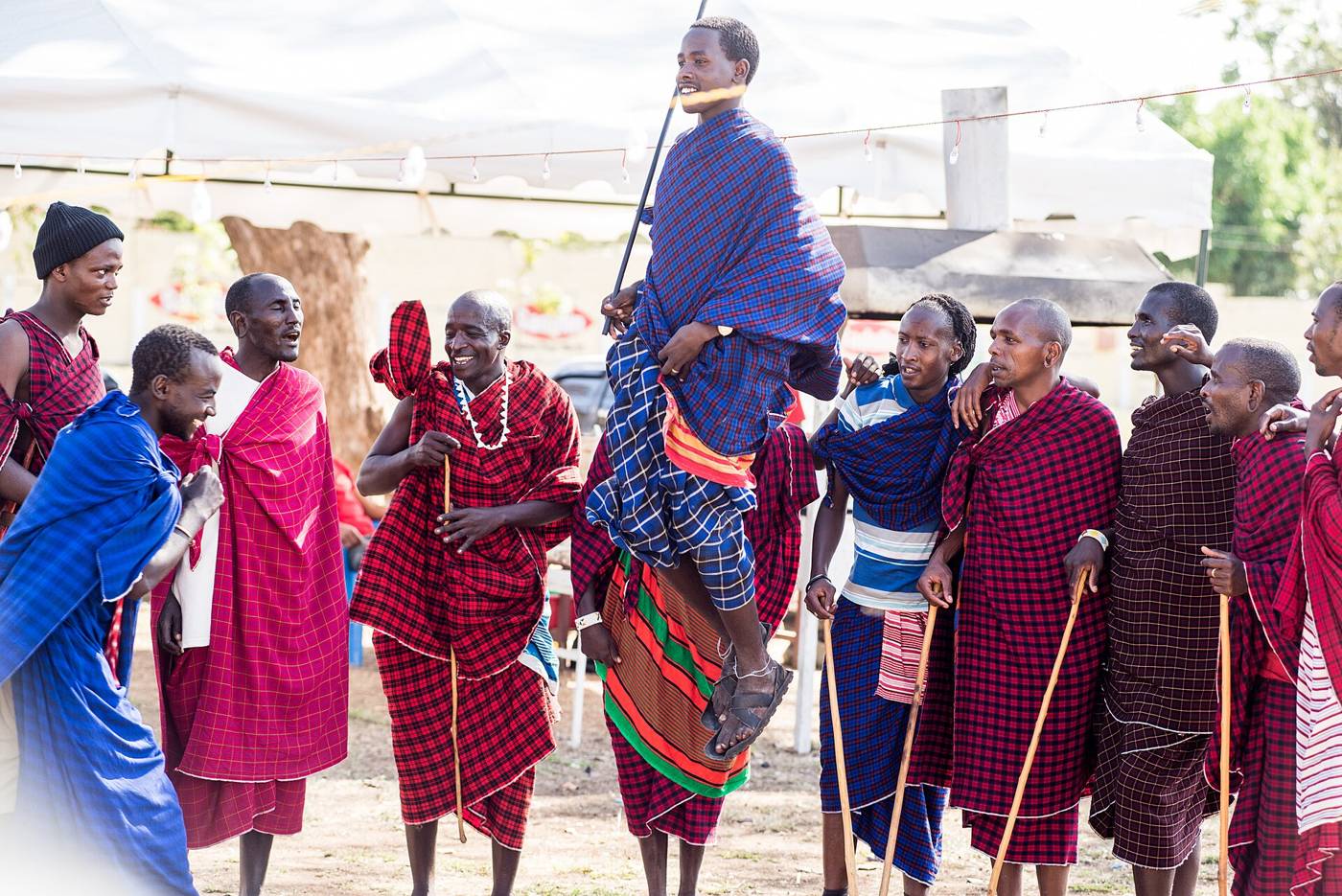
Maasai society is organised into age sets, groups of men initiated at the same time who move together through stages of life, from boyhood to warriorhood (moran) and then elderhood. Ceremonies mark these transitions. The famous jumping dance, the adumu, is performed by young men during celebrations. Beadwork, made mainly by women, is a striking part of Maasai dress, with colours and patterns carrying meaning.
Living with wildlife
The Maasai have shared their land with wildlife for centuries, and traditionally did not hunt most wild animals for food. Today, community conservancies around the Masai Mara and Amboseli pay Maasai landowners to keep land open for wildlife, and many Maasai work as guides, rangers and camp staff. Conflict still occurs, especially when predators kill livestock, and conservation programmes work to reduce it.
A changing way of life
Like communities everywhere, Maasai life is changing. Many families combine herding with farming, business and jobs in towns; children go to school; mobile phones are common. Land sub-division, population growth and climate change are putting pressure on traditional pastoralism.
Visiting respectfully
- Choose visits organised by the community itself or by camps with genuine community partnerships, so that benefits reach the village.
- Always ask before taking photographs of people.
- Be curious and ask questions; most hosts are happy to talk about their lives.
- Buy crafts directly from the makers where you can.
Read our article on how Kenya’s conservancies support communities and our guide to the Ngorongoro Conservation Area.

We plan private safaris across Kenya, Tanzania, Uganda and Rwanda, and write from time spent in these parks.