When to Go
Serengeti in June: Dry Season Begins – What to See
Serengeti in June: the dry season begins, Grumeti crossings continue, and big cats are active. Discover the wildlife, weather, camps.

June is the Serengeti’s great transition month, sitting in a sweet spot between the long rains and the peak dry season with good weather, improving road conditions, and migration action spreading across multiple zones. The Grumeti River crossings continue in the western corridor, the first Mara River scouts arrive in the north, and big cat sightings improve as the grass shortens. Rates have not yet reached peak season levels, making June a well-rounded and excellent-value choice. Explore our Serengeti safaris for June itineraries.
Key Highlights
- Dry season begins; roads improve rapidly
- Grumeti River crossings continue in the western corridor
- First Mara River crossings can occur by late June
- Big cat sightings improve as grass shortens
- Shoulder season rates in early June, peak rates later
- Best areas: western corridor, central Serengeti, northern Serengeti
The Serengeti in June: Seasonal Transition
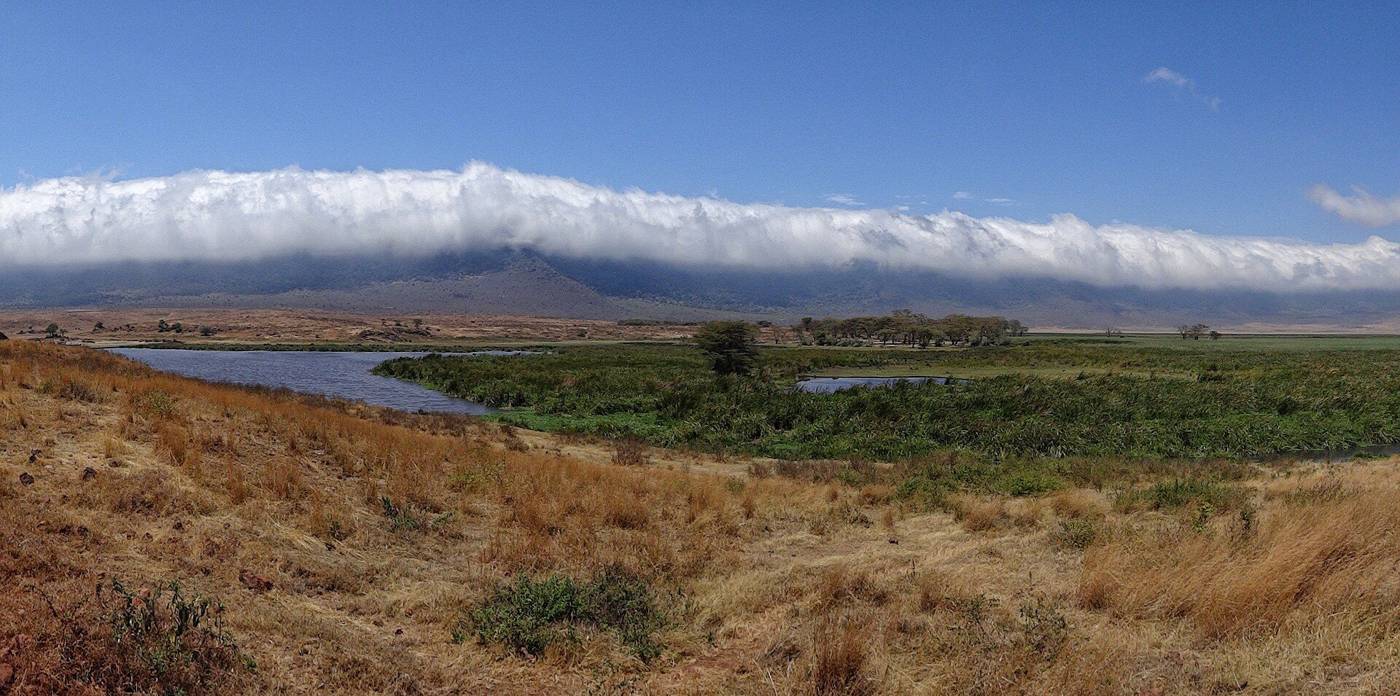
June marks the transition from the long rains to the long dry season in a way that is visually dramatic. In early June, the grass is still tall and green from the rains. By late June, the drying process is well underway: the grass is beginning to lose its green, the dust on the tracks is returning, the sky is increasingly clear and blue, and the character of the light shifts from the soft diffused quality of the wet season to the sharp, clear brightness of the dry season. This transition creates a landscape that is neither fully wet nor fully dry, a brief combination of the two that produces some of the most interesting photographic conditions of the year.
The Migration in June: Western Corridor and Beyond
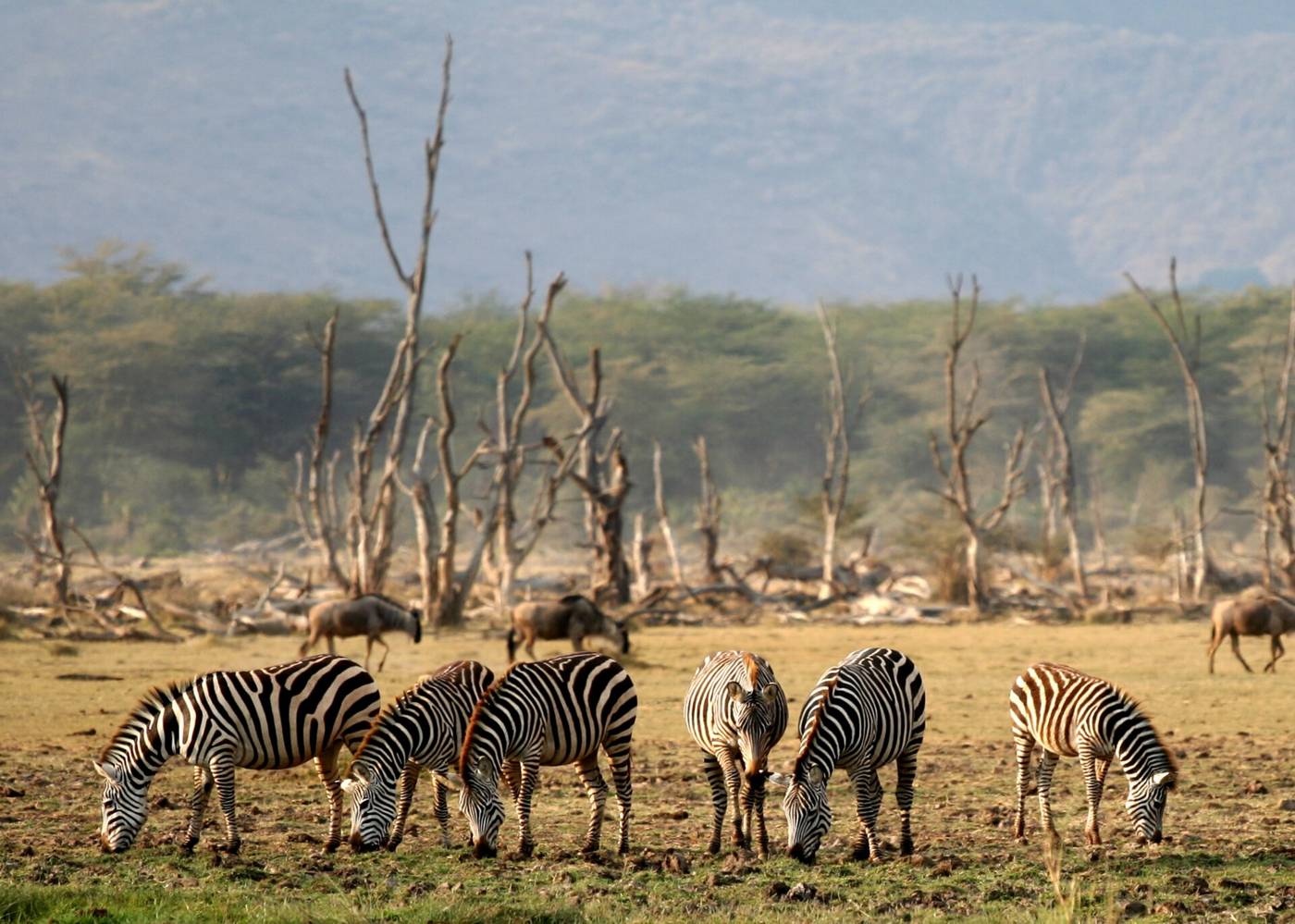
The Great Migration herds continue their northward push through June. In the early part of the month, significant numbers of wildebeest are still in the western corridor, and the Grumeti River crossings continue with good frequency. By mid-June, the leading edge of the migration is approaching the northern Serengeti and the first scouts are reaching the Mara River. By late June, the first tentative Mara River crossings can occur, though these early crossings are typically small and exploratory compared to the mass crossings of July and August.
The movement of the herds through the western corridor and into the north in June creates excellent game viewing opportunities across a large swathe of the park. Unlike peak migration months when the best action is concentrated in the north, June offers good migration-related wildlife across multiple zones, giving visitors more flexibility in camp choice and positioning.
The Grumeti Reserve in June
For travellers who want to experience the migration in a private, exclusive environment, the Grumeti Reserve in June is outstanding. This private concession adjacent to the western Serengeti hosts the Grumeti River crossings and offers activities not permitted inside the national park, including night drives and guided bush walks. The Singita Grumeti properties and other high-end camps in the reserve provide extraordinary access to the migration drama combined with the comfort and service quality of the finest camps in Africa. June rates in the Grumeti Reserve are lower than July and August, making it one of the better value windows for a luxury experience in this exceptional private area.
Big Cat Sightings in June
June is consistently excellent for big cat sightings across the central Serengeti. As the grass begins to dry and shorten, predators become easier to spot. Lion prides return to their habitual patterns of resting in shade during the day and hunting at dusk and dawn. The Seronera Valley’s resident prides are as reliable in June as in any other month. Leopards along the Seronera River are active, particularly in the early morning and late afternoon. Cheetahs on the eastern plains benefit from the improving visibility as the grass shortens, and sightings increase noticeably as June progresses.
The predator-prey dynamic in June reflects the transition: the abundant wildebeest of the migration provide ample hunting opportunities in the west and north, while the central zone’s resident prey species supply the resident predator populations. The result is a park where big cat activity is elevated across a wide geographic area rather than concentrated in one zone as it tends to be during the migration peak.
Weather and Road Conditions in June
June weather in the Serengeti is among the most pleasant of the year. Days are warm and sunny, with daytime temperatures typically ranging from 22 to 28 degrees Celsius. Nights can be cool, particularly in the first half of the month, dropping to 12 to 15 degrees Celsius at higher altitudes. Rain in June is uncommon and brief when it does occur, typically a brief shower in the early morning or evening rather than the sustained afternoon rainfall of the wet season months.
Road conditions improve significantly through June as the tracks dry from the wet season. By mid-June, most central Serengeti tracks are in good condition. The western corridor tracks take slightly longer to dry but are generally passable by a standard 4×4 from mid-June onward. The northern Serengeti tracks around Kogatende are typically reliable by late June, just in time for the first exploratory migration crossings.
Accommodation and Value in June
June sits at the edge of peak season pricing. The first two weeks of June typically see the continuation of the green season or shoulder season rates that apply through May. From mid to late June, many camps begin to shift to their peak season pricing in anticipation of the July surge. Booking in early to mid June therefore captures a genuinely good value window: near-peak dry season conditions with below-peak prices. The best properties do not wait until July to fill up, however, and booking 6 to 9 months in advance is still recommended for the most popular camps.
Practical Tips for June
Pack layers: June mornings and evenings are cool enough to require a fleece or light jacket for early game drives, while afternoons are pleasantly warm. A light wind jacket is useful on open-vehicle game drives where the breeze at speed can make even moderate temperatures feel cold. Insect repellent remains important in June as there are still some residual mosquito populations from the wet season, though the risk diminishes significantly as the month progresses and the landscape dries.
For photography, June is outstanding. The combination of clear dry-season skies in the afternoon and the soft morning light of the early dry season produces excellent conditions for both landscape and wildlife photography. The grass, still reasonably green in early June, adds colour and depth to compositions that will look starkly brown by the height of the dry season in August and September.
Frequently Asked Questions
Is June a good time to visit the Serengeti?
Yes, June is an excellent time to visit the Serengeti. It offers a near-perfect combination of improving dry-season weather, good wildlife visibility, migration action across multiple zones, and rates that have not yet reached peak season levels. The Grumeti River crossings continue in the western corridor, and the first Mara River crossings can occur by late June.
Where should I stay in the Serengeti in June?
The western corridor is ideal in early June for the Grumeti River crossings, while the northern Serengeti becomes increasingly productive in late June for the first Mara River crossings. The central Serengeti around Seronera is excellent throughout June for resident big cats. A split itinerary covering two of these areas maximises your chances of seeing migration action.
What is the weather like in June in the Serengeti?
June weather in the Serengeti is pleasant, with warm sunny days of 22 to 28 degrees Celsius and cool nights of 12 to 15 degrees Celsius. Rain is uncommon and usually brief. The landscape transitions from wet-season green to dry-season brown through the month, creating varied and interesting photographic conditions. Pack layers for early morning and evening game drives.
Can you see river crossings in June?
Yes, river crossings are possible in June. The Grumeti River crossings continue in the western corridor, particularly in early June. By late June, the first exploratory Mara River crossings can occur in the northern Serengeti, though these are usually smaller and less predictable than the mass crossings of July to October. June offers migration action across multiple zones.
Are safaris cheaper in June?
Early to mid-June offers good value compared with the peak months of July to October, as many camps still apply shoulder or green season rates. By late June, peak season pricing begins at the most popular properties. Booking 6 to 9 months in advance is recommended to secure the best rates and availability, particularly in the western corridor and northern Serengeti.
Planning your safari
Our safari specialists design personalised Tanzania itineraries timed to June’s transition period, with the best camps in the western corridor, central Serengeti, and northern Serengeti.

We plan private safaris across Kenya, Tanzania, Uganda and Rwanda, and write from time spent in these parks.