Wildlife
Spotted Hyenas on Safari: The Misunderstood Hunters
Spotted hyenas are skilled hunters with complex female-led societies, not just scavengers. How clans work, how they hunt, their calls and where to see them.
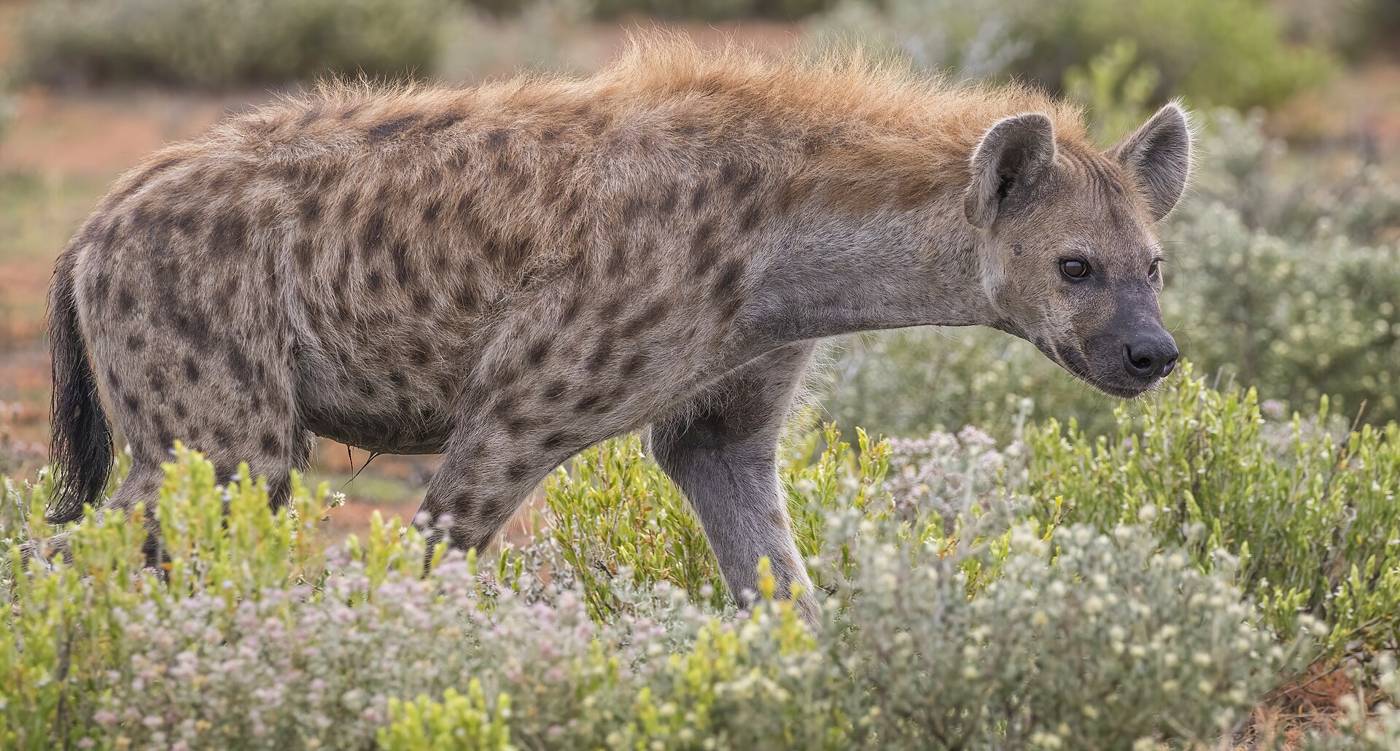
Spotted hyenas have a poor reputation, but they are among the most successful and fascinating predators in Africa. Far from being mere scavengers, they hunt most of their own food, live in complex societies led by females, and communicate with a remarkable range of calls, including the famous “whoop” heard at night around safari camps.
Identification
Spotted hyenas have a sloping back, strong shoulders and neck, rounded ears and a sandy coat with dark spots. Their jaws are extremely powerful, able to crack bones to reach the marrow. The smaller striped hyena, found in drier northern areas, is shyer and has stripes and a mane.
Clan life
Hyenas live in clans that can number dozens of animals, sharing a territory and a communal den. Females are larger and dominant, and a cub’s rank in the clan is inherited from its mother. Clan members often forage alone or in small groups but come together to defend the territory or to hunt large prey. Long-term research in the Masai Mara has revealed how complex these societies are, with alliances, rivalries and lasting relationships.
Hunters, not just scavengers
In many areas, spotted hyenas kill most of their own food, hunting wildebeest, zebra and gazelles by running them down over long distances. They also scavenge, and they compete fiercely with lions; in places, lions steal more from hyenas than the reverse.
Calls
The whoop, a rising call that carries for kilometres, helps clan members keep in contact. The “giggle”, a high-pitched laugh, is made in situations of excitement or stress, for example when competing at a kill.
Where to see hyenas
Spotted hyenas are common in the Masai Mara, the Serengeti and the Ngorongoro Crater, which has a dense population. Dens are often near roads, where cubs play in the early morning and evening.
Read our article on predator research in the Masai Mara and our guide to lion behaviour.

We plan private safaris across Kenya, Tanzania, Uganda and Rwanda, and write from time spent in these parks.