When to Go
Best Time to Visit Tanzania on Safari: Month by Month
When to go on safari in Tanzania: the dry season, the calving season, the rains and what each month brings in the Serengeti, Ngorongoro, Tarangire and beyond.

There is no single best month for a Tanzania safari, because the country offers something different in every season. June to October is the classic dry season, with easy game viewing and the river crossings in the northern Serengeti. January and February bring the wildebeest calving season in the south. The rainy months are quieter, greener and cheaper. The right time for you depends on what you most want to see, your budget and how you feel about crowds.
Tanzania’s seasons in brief
- Long dry season, June to October: the main safari season. Short grass, animals near water, sunny days and cool nights.
- Short rains, November and December: brief showers, green landscapes, migrant birds, fewer visitors outside the holidays.
- Short dry season, January and February: warm, often dry, and the peak of the calving season in the southern Serengeti.
- Long rains, March to May: the wettest months, especially April and May. Lowest prices and fewest visitors; some camps close.
Month by month
January
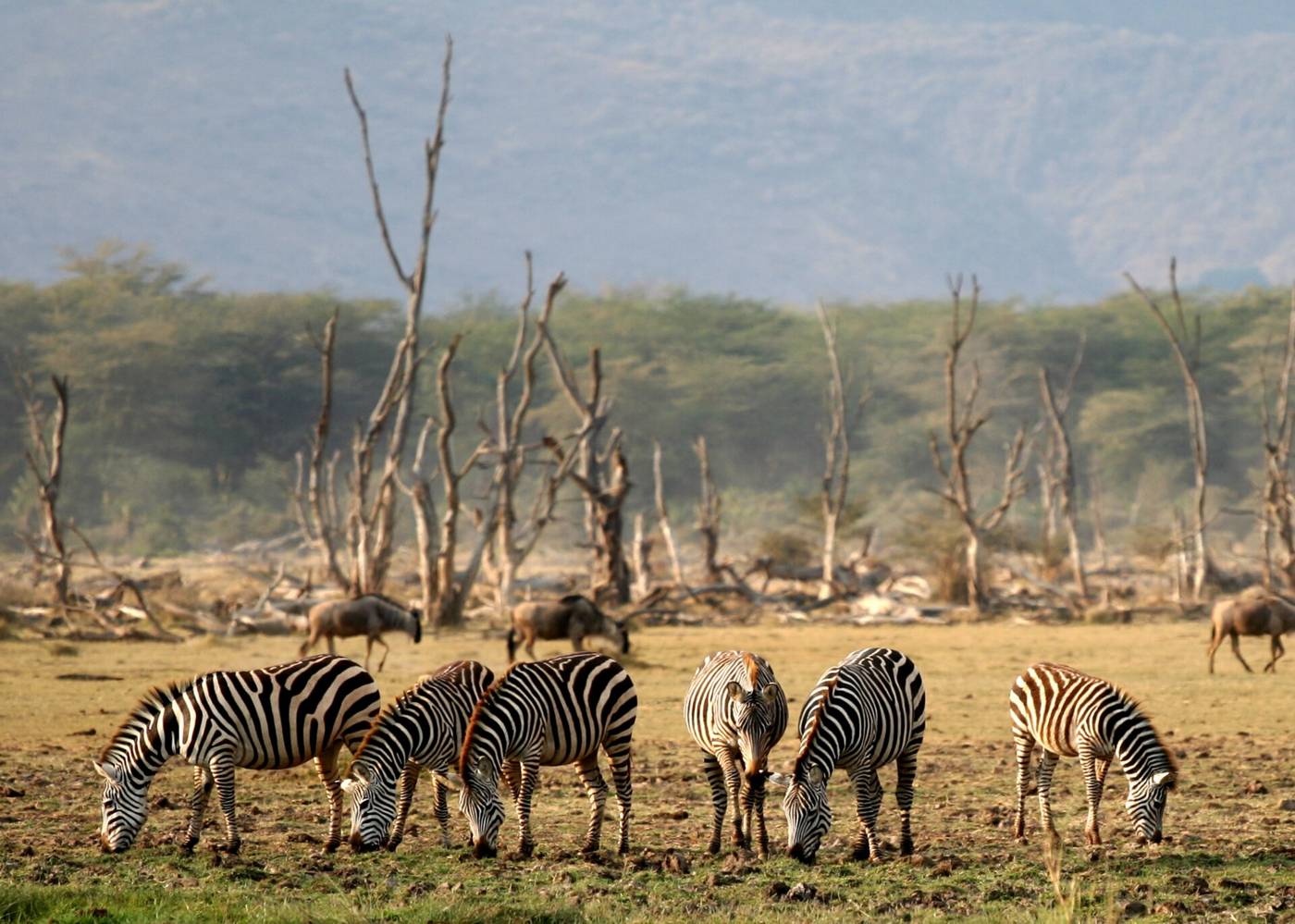
The wildebeest herds gather on the short-grass plains of the southern Serengeti and Ndutu. Calving begins towards the end of the month. Warm and generally dry between showers, with excellent conditions in the Ngorongoro Crater and Tarangire.
February
Peak calving. Hundreds of thousands of calves are born within a few weeks, and lions, cheetahs and hyenas hunt intensively. For predator action, this is one of the best months of the year in Africa.
March
The calving season tails off and the long rains usually begin late in the month. The south is still busy with herds and predators, and prices start to fall.
April and May
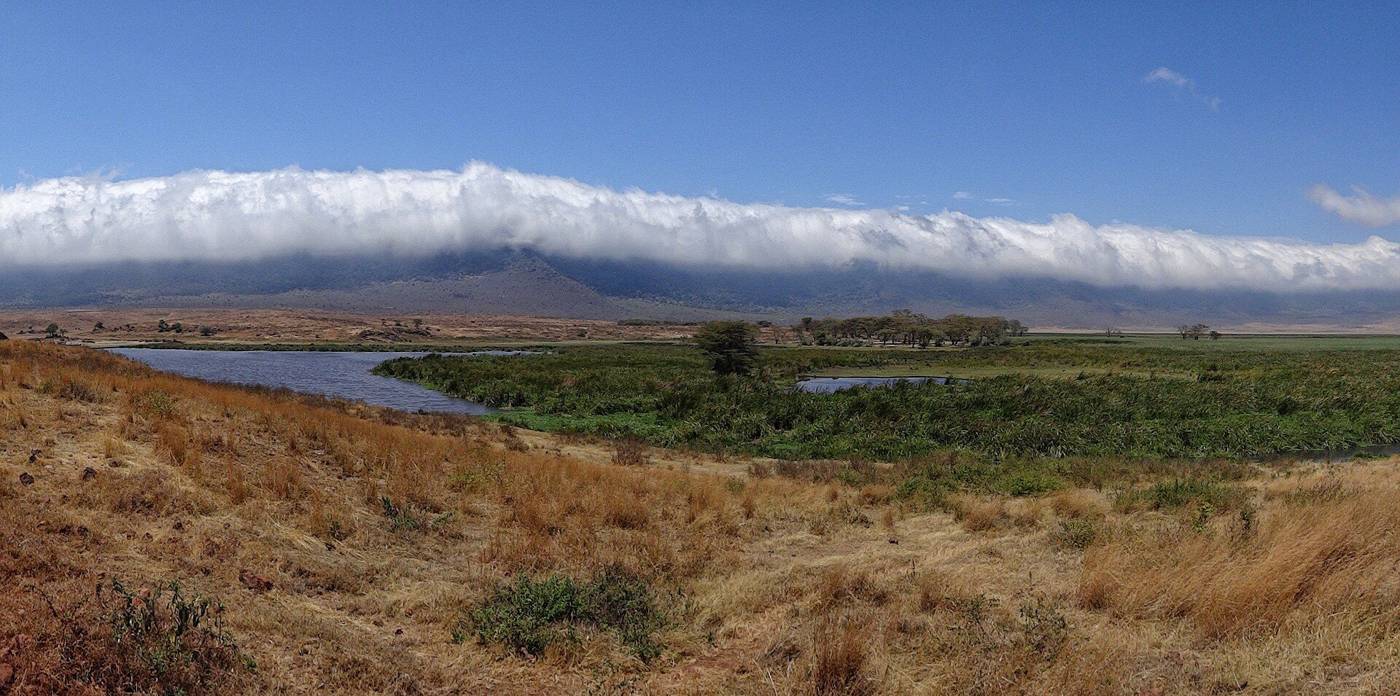
The long rains. Some roads become muddy and a number of camps close, but those that stay open offer their lowest rates. The herds move through the central and western Serengeti, the parks are lush and very quiet, and the birdlife is superb. The Ngorongoro Crater is good all year and makes a reliable highlight in these months.
June
The dry season begins. The herds gather in the Western Corridor and start crossing the Grumeti River, then move north. Game viewing improves across the country and visitor numbers rise.
July and August
The herds reach the northern Serengeti, and the first Mara River crossings usually happen in July. Dry, sunny and busy, with excellent game viewing everywhere. Tarangire’s elephant herds are at their best. Book early for these months.
September and October
River crossings continue in the north as the herds move back and forth between Tanzania and Kenya’s Masai Mara. The country is at its driest, wildlife concentrates near water, and October is often a little quieter and better value than August.
November
The short rains return and the herds move south through the eastern and central Serengeti. Green, quiet and good value.
December
The herds arrive back on the southern plains. Showery but often pleasant, with busy holiday weeks around Christmas and New Year.
Beyond the northern circuit
In the southern parks of Ruaha and Nyerere, the dry season from June to October is the prime time, and many camps close during the long rains. Zanzibar is pleasant for most of the year, with the best beach weather from June to October and December to February. Chimpanzee trekking at Gombe and Mahale is possible year round, though trails are easier in the dry season.
Our advice
- First safari, flexible dates: late June to October, or January to February.
- River crossings: July to October in the northern Serengeti.
- Predators and calving: late January to early March in the south.
- Value and quiet: November, early December, or the shoulder weeks of March and late May.
Read our Great Migration month by month guide, our 10-day Tanzania itinerary and our Tanzania cost guide to plan your trip.

We plan private safaris across Kenya, Tanzania, Uganda and Rwanda, and write from time spent in these parks.