Conservation & Culture
Wildlife Conservation in East Africa: What Is at Stake and What Is Working
The big threats to East Africa's wildlife, from habitat loss to poaching and climate change, and what is working, including conservancies and tourism.
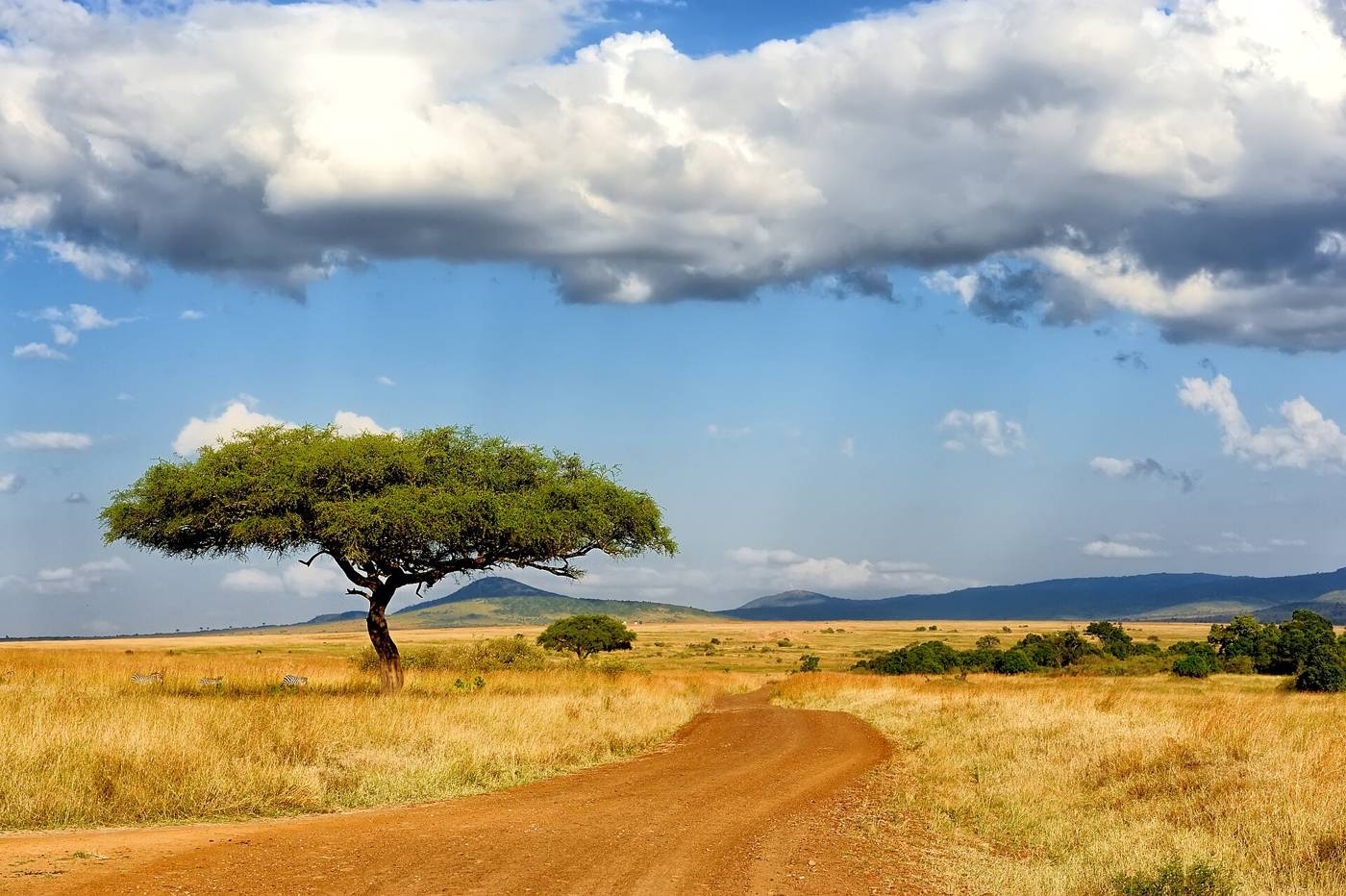
East Africa holds some of the greatest wildlife populations left on Earth, but they face serious pressure. Understanding both the threats and the successes helps explain why your safari matters, because tourism is one of the most important ways that wildlife pays for its own protection.
The main threats
- Habitat loss and fragmentation: as populations grow, land around parks is farmed, fenced and settled, cutting migration routes and shrinking the space available to wildlife.
- Human-wildlife conflict: lions and hyenas kill livestock, and elephants raid crops, leading to retaliation against wildlife.
- Poaching: rhinos are killed for their horn and elephants for ivory, while bushmeat poaching with snares affects many species.
- Poisoning: poisoned carcasses intended for predators kill vultures and other scavengers in large numbers.
- Climate change: more frequent and severe droughts and floods affect water, grazing and wildlife survival.
What is working
- Community conservancies: in Kenya especially, landowners earn regular income by leasing land for wildlife and tourism, giving them a direct reason to protect animals.
- Protected sanctuaries: heavily guarded rhino sanctuaries have allowed black rhino numbers to recover slowly.
- Rangers and anti-poaching: well-trained, well-equipped ranger teams, often recruited locally, have greatly reduced elephant poaching in many areas.
- Conflict reduction: predator-proof livestock enclosures, compensation schemes and early-warning systems reduce retaliation against lions and elephants.
- Research and monitoring: long-term studies of lions, elephants, cheetahs and hyenas guide management decisions.
The role of tourism
Park fees fund rangers and park management, conservancy fees pay landowners, and safari camps provide thousands of jobs in remote areas. When tourism collapsed during the pandemic, the impact on conservation funding was immediate, showing how closely the two are linked. Choosing well-run camps and conservancies is one of the most effective ways a visitor can support wildlife.
Read our articles on how Kenya’s conservancies work, the black rhino’s recovery and planning a lower-impact safari.

We plan private safaris across Kenya, Tanzania, Uganda and Rwanda, and write from time spent in these parks.