When to Go
Serengeti in December: Christmas Safari in the Serengeti
Planning a Serengeti safari in December? Early December offers great value, while Christmas is peak season with calving approaching.

December in the Serengeti is a month of two halves: early December offers a hidden value window with green landscapes, gathering herds, and manageable crowds, while the Christmas and New Year period brings peak festive demand and premium rates. Understanding the difference allows you to position your visit for maximum experience and value. This guide covers what to expect from a Serengeti safari in December, including the Christmas season. Explore our Serengeti safaris for December itineraries.
Key Highlights
- Early December: green season value before holiday surge
- Migration herds gather in southern Serengeti and Ndutu
- Late December: festive peak pricing and high demand
- Preview of calving season in the final week
- Best early December zone: southern Serengeti and Ndutu
- Book Christmas/New Year 8 to 12 months in advance
Early December: The Hidden Value Window
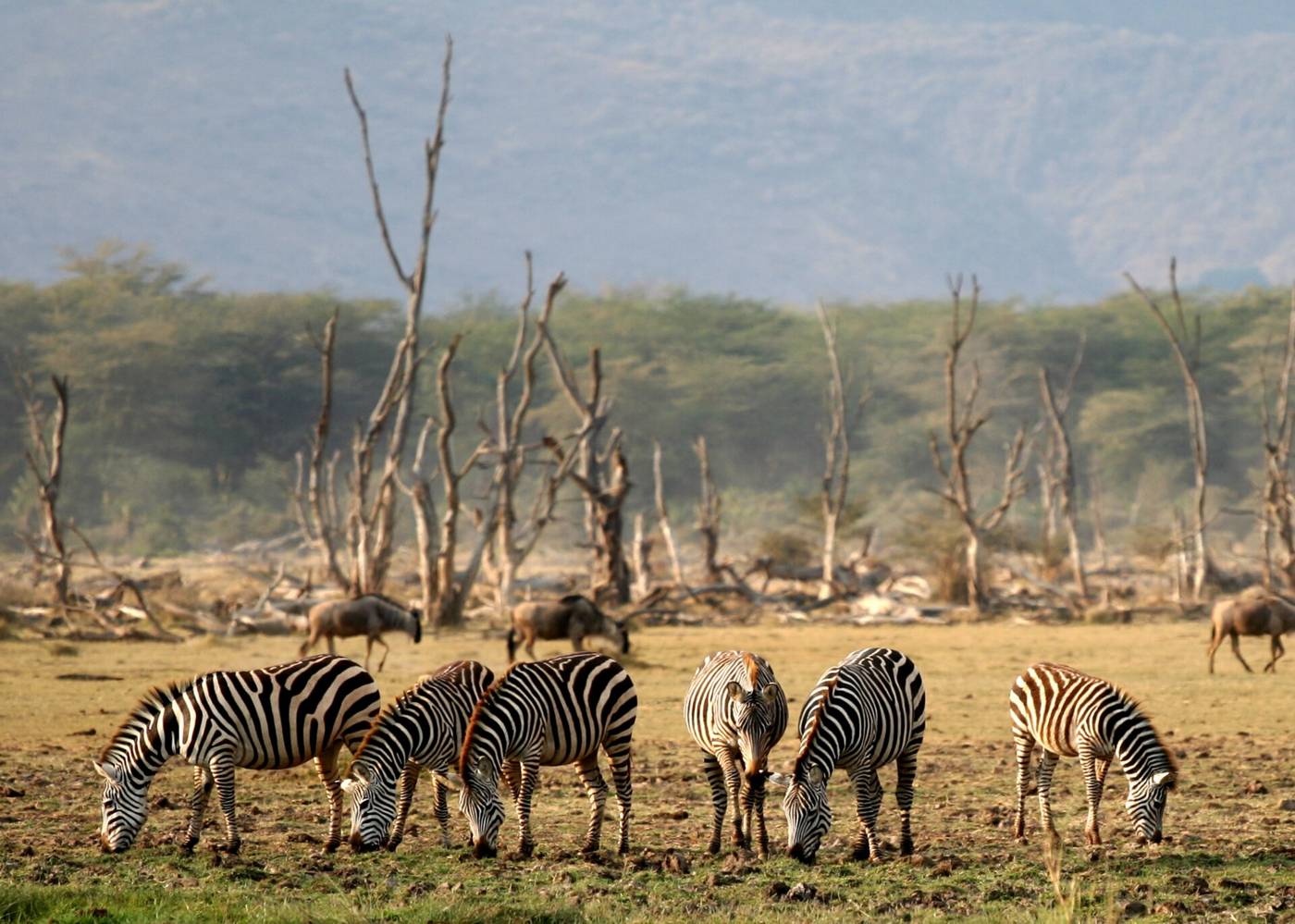
The first two to three weeks of December are among the most underappreciated in the Serengeti safari calendar. The short rains from October and November have refreshed the landscape, which is vivid green and photogenic. The migration herds are massing in the southern Serengeti and Ndutu area in preparation for the calving season that will begin in January, which means good wildlife concentrations in the south without the extraordinary pressure and crowds of January and February calving season itself. Visitor numbers in early December are relatively low: the main peak season has ended in October and the holiday rush has not yet begun. Lodge rates reflect this quiet period, with many properties offering rates close to their green season lows through mid-December.
Early December is particularly good for the short grass plains of the southern Serengeti. The wildebeest are gathering here in anticipation of calving, and the predator community is following them south from the central zones. Cheetah sightings on the Ndutu plains in early December can be exceptional: the short grass is ideal for cheetah hunting, the prey base is abundant, and the visitor pressure is a fraction of what it will be in February.
The Christmas and New Year Holiday Premium
From approximately December 20th through January 5th, the Serengeti enters a premium period that rivals the peak migration months in both visitor numbers and accommodation costs. International visitors with children take advantage of school holidays to make the Africa safari trip that would otherwise be impossible during term time. Nairobi and Arusha see enormous surges in arrivals. The best camps in both the southern and northern Serengeti are fully booked months in advance at their highest rates of the year.
If you are planning a Christmas safari in the Serengeti, book at minimum 12 months in advance for any property you genuinely want to stay at. The combination of school holiday timing, the calving season beginning in the south, and the general appeal of spending Christmas in one of the world’s great wilderness areas creates demand that exceeds capacity at the best camps. Late booking means accepting significantly inferior accommodation options at similar or higher prices.
Wildlife in December
December wildlife in the Serengeti is excellent across the board, and the specific highlights shift depending on the timing of your visit within the month. In early December, the southern Serengeti is the priority zone: the gathering migration herds and the predators following them create a dynamic and productive environment. The central Serengeti around Seronera continues to deliver excellent big cat sightings from its resident populations year-round.
By late December, the calving season is approaching its opening phase in the south. Early births can occur from late December in some years, with scattered calves appearing among the massing herds before the main calving peak of January and February. If your visit falls in the final week of December, positioning in the Ndutu area gives you a preview of the calving season spectacle before the January crowds arrive.
The December Landscape
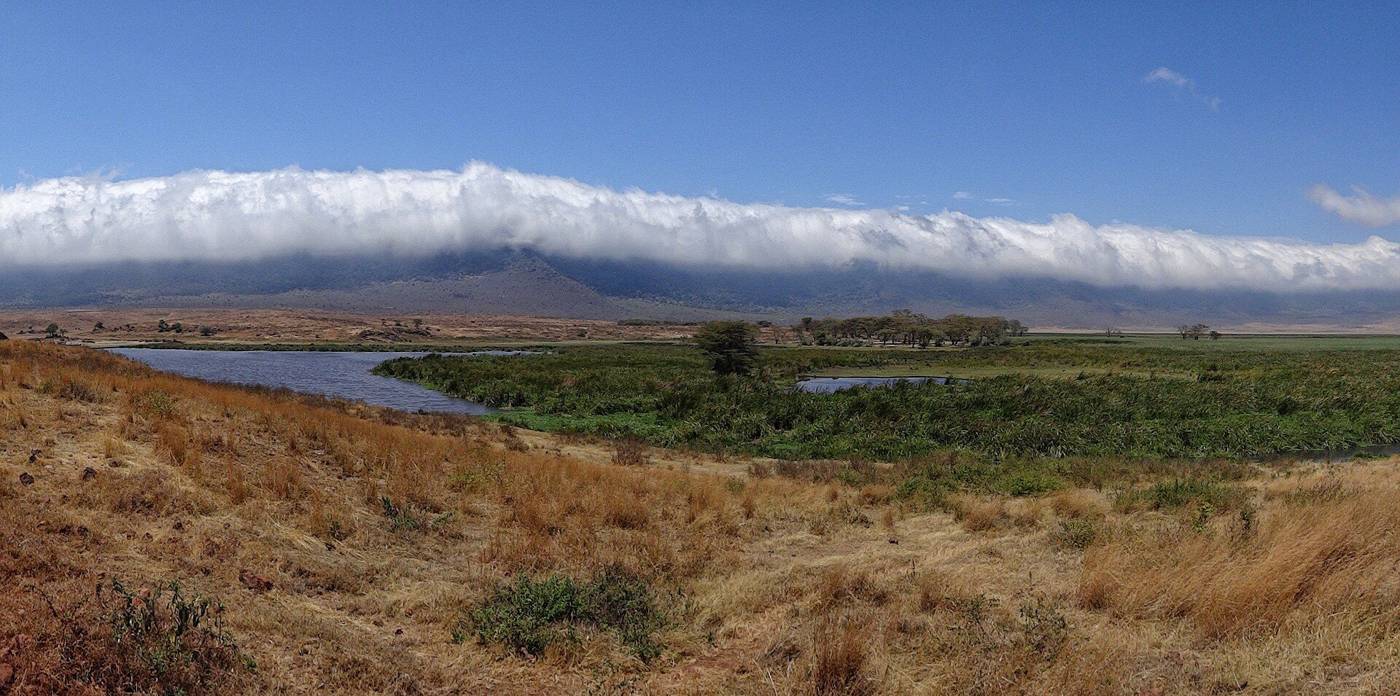
December is one of the most visually beautiful months in the Serengeti. The short rains have produced a lush green landscape that contrasts dramatically with the dry season’s bleached tones. The short grass plains of the south, freshened by recent rain, have a quality of light and colour that makes every photograph look better than it deserves. The sky in December is frequently dramatic: clouds build over the plains in the afternoon, creating the kind of theatrical storm light that makes African landscape photography so compelling.
For photographers, early December specifically offers a combination of green landscape, good morning light, and low visitor numbers that produces images difficult to replicate in any other month.
Where to Stay in December
For early December, the southern Serengeti and Ndutu area is the priority zone. Mid-range and luxury camps in the Ndutu area offer excellent value in early December before the holiday rates kick in. For the Christmas and New Year period, virtually any well-positioned camp will be excellent provided you have booked far enough in advance to secure it. The central Serengeti properties provide good year-round wildlife with reliable access; the southern Serengeti properties offer the calving season preview and the gathering herds.
Frequently Asked Questions
Is December a good time to visit the Serengeti?
Yes, December is a good time to visit the Serengeti, but the experience varies greatly depending on timing. Early December offers excellent value, green landscapes, gathering herds in the south, and manageable crowds. Late December and the Christmas/New Year period offer a magical festive atmosphere and a preview of the calving season, but at peak prices and with high demand that requires booking 8 to 12 months in advance.
Where should I stay in the Serengeti in December?
For early December, the southern Serengeti and Ndutu area is best for the gathering migration herds and predator activity. For late December and Christmas, both central and southern Serengeti camps are good, but availability is extremely limited and must be booked far in advance. The central Serengeti around Seronera offers reliable year-round wildlife, while Ndutu offers a preview of the calving season.
What is the weather like in December in the Serengeti?
December weather in the Serengeti is warm, with daytime temperatures of 26 to 30 degrees Celsius. Early December may see occasional afternoon showers as the short rains tail off, while late December is often drier. The landscape is green and photogenic throughout the month. Evenings are warm and pleasant. Pack a light rain jacket for early December and light clothing for warm days.
How much does a December Serengeti safari cost?
December pricing has two phases. December 1 to 20 often reflects green season rates, with luxury camps at 800 to 1,400 USD per person per night and mid-range properties at 300 to 600 USD. December 21 to January 1 is peak festive pricing, sometimes 20% to 30% above regular peak season rates, with luxury camps at 1,500 to 2,500+ USD per person per night. Book Christmas and New Year at least 8 to 12 months in advance.
Can you see the calving season in December?
The main calving season begins in January, but late December can offer a preview. Scattered wildebeest births may occur in the final week of December, particularly in the Ndutu area of the southern Serengeti. By late December, the herds are massing in preparation for the peak calving period of January and February. For the full calving spectacle, visit in January or February.
Plan Your December Serengeti Safari
Our safari specialists design personalised Tanzania itineraries for both the early December value window and the festive Christmas and New Year period.
Contact us today for a free, no-obligation quote on your December Serengeti safari.
Book Your Safari Now | Browse Sample Itineraries | Best Time to Visit
Plan this trip with us
Every safari we build is private and tailor-made around your dates, budget and the animals you most want to see.
Start planning
We plan private safaris across Kenya, Tanzania, Uganda and Rwanda, and write from time spent in these parks.