When to Go
Serengeti in February: Calving Season and What to See
Serengeti in February offers the peak calving season with 8,000 wildebeest born daily. Discover the wildlife, weather, best camps.
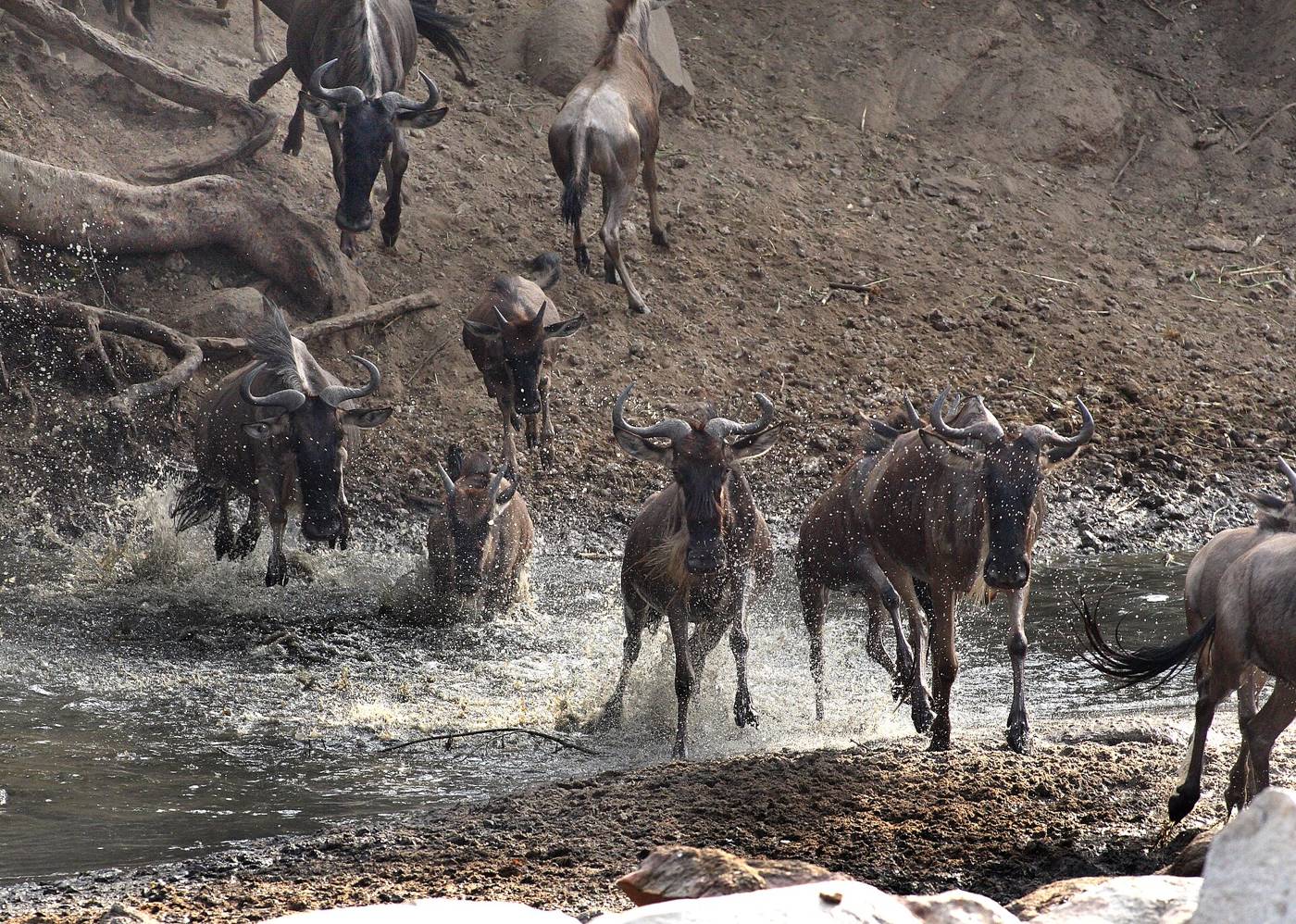
February is widely considered the single finest month to visit the Serengeti, delivering the Great Migration calving season at full intensity against a green, photogenic landscape with moderate crowds and excellent value. Around 500,000 wildebeest calves are born during the late January to early March window, with peak rates reaching 8,000 calves per day. The predator response is extraordinary, and the short grass plains of Ndutu offer arguably the best cheetah sightings in Africa. This guide explains why February deserves serious consideration for your Serengeti safari. Explore our Serengeti safaris for February calving season itineraries.
Key Highlights
- Calving season peaks in February
- 500,000 wildebeest calves born over a 6-week window
- Peak rate: 8,000 calves per day
- Best cheetah sightings of the year on Ndutu short grass plains
- Green landscapes and soft, diffused light ideal for photography
- Rates 20% to 40% lower than July to October peak season
The Calving Season at Its Peak
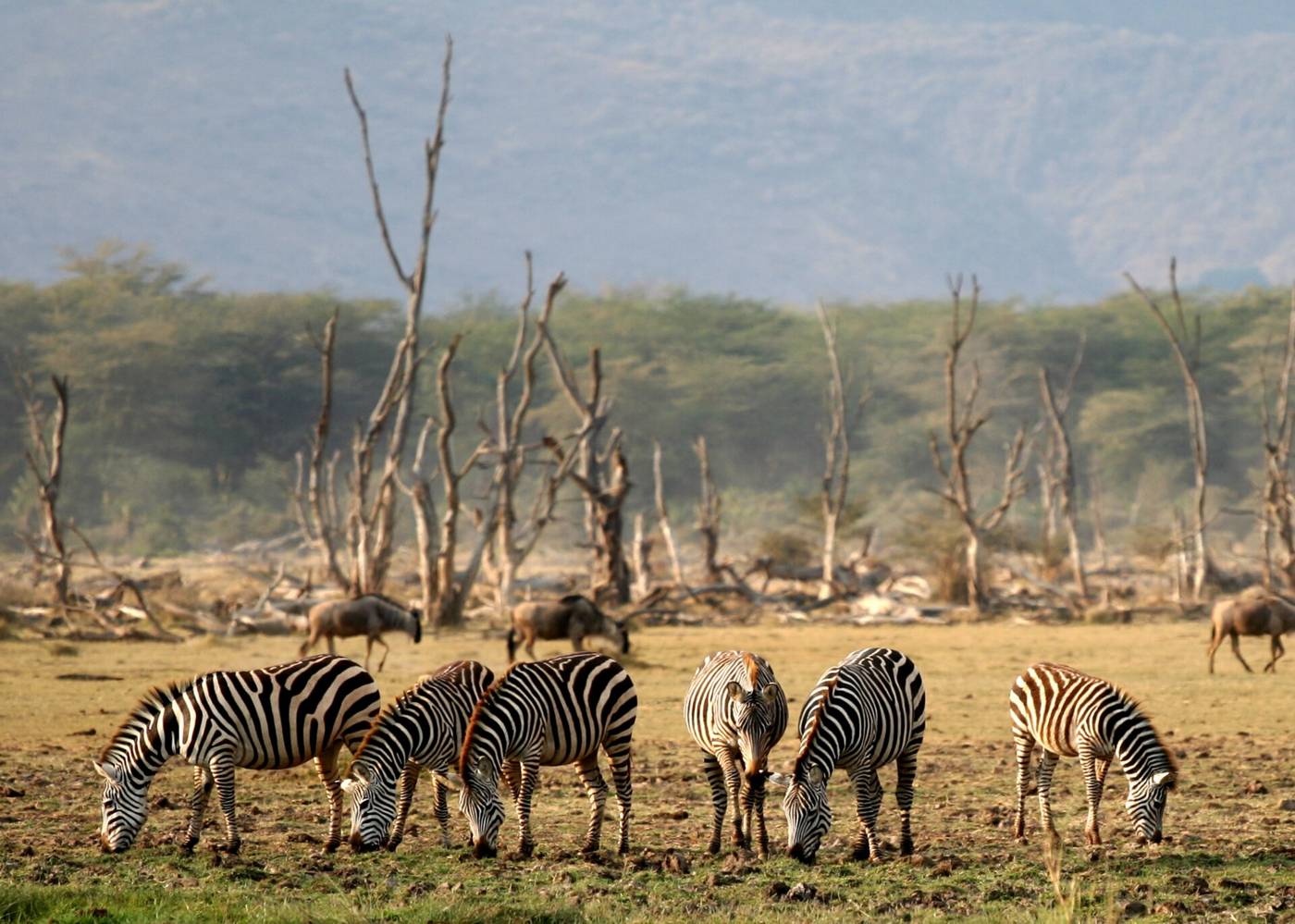
The Great Migration calving season runs from approximately late January through early March, with the peak intensity concentrated in February. An estimated 500,000 wildebeest calves are born during this 6-week window, with the peak rate reaching 8,000 calves per day during the busiest period. The short grass plains of the southern Serengeti and the Ndutu area host this extraordinary event, with wildebeest covering the plains in numbers that seem impossible until you experience them in person.
What makes February special is the perfect ecological storm it creates. The calves are at their most vulnerable in their first weeks of life, before they have developed the speed and coordination needed to escape predators. The predator community knows this and responds accordingly. Lion prides from across the central and southern Serengeti converge on the calving grounds. Cheetah mothers leave their home ranges to exploit the abundance. Spotted hyena clans from multiple territories follow the herds. The density of predators relative to prey creates a frequency of predator-prey interactions that is unmatched anywhere else in Africa at any other time of year.
Cheetah Sightings in February
February is arguably the finest month in the entire Serengeti for cheetah sightings and observations. The short grass plains of the Ndutu area provide the ideal cheetah habitat: open terrain with good visibility, abundant prey in the form of vulnerable wildebeest calves and Thomson’s gazelle fawns, and the flat expanses that allow cheetahs to build up the high speeds their hunting technique requires. Multiple cheetah females with cubs can often be found on the plains simultaneously, and the frequency of hunts that visitors witness during a February morning game drive is extraordinary. It is not unusual to see two or three cheetah hunts in a single morning, something that might take a week of patient searching to achieve during any other month.
The Green Landscape and Photography
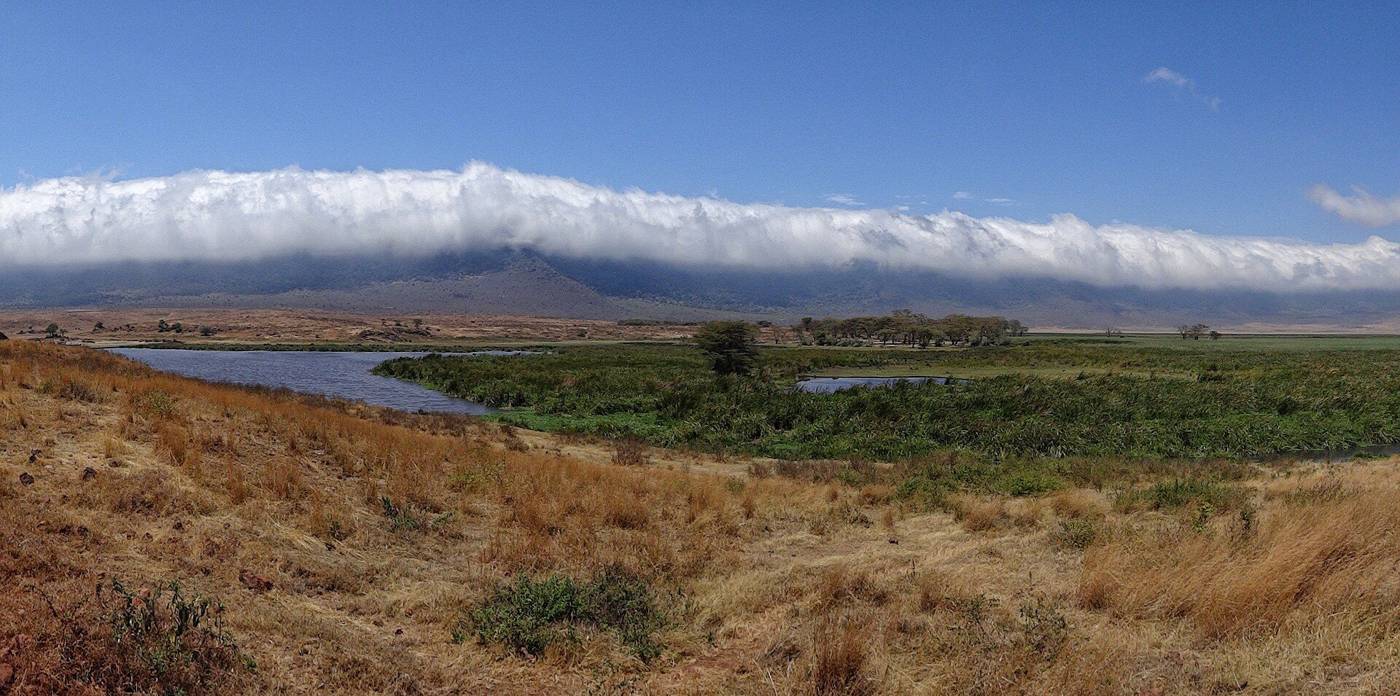
February’s rainfall history produces a landscape that is unusually beautiful for wildlife photography. The short grass plains are still green from the December and January rains, creating a vivid green backdrop that contrasts dramatically with the golden and red tones of the animals, the blue-grey mountains on the horizon, and the dramatic cloud formations that characterize the wet season sky. Wildlife photographers who visit the Serengeti in February consistently produce images that look qualitatively different from dry season photography: softer light, richer colours, and a freshness to the landscape that the dry season’s dust and bleached grass cannot match.
The soft, diffused light that comes through February’s partly cloudy skies is also technically superior for wildlife photography compared to the harsh direct sunlight of the dry season. Overcast skies eliminate strong shadows from animal faces, allow more even exposure across the entire frame, and produce a quality of light that professional photographers actively seek out. If wildlife photography is a significant part of your safari motivation, February in the southern Serengeti is among the finest conditions available anywhere in Africa.
Weather and Road Conditions in February
February weather in the southern Serengeti is generally warm and partly cloudy. Daytime temperatures reach 27 to 32 degrees Celsius, with comfortable evenings. Rainfall occurs but is typically in the form of short afternoon showers rather than sustained heavy rain. The short grass plains around Ndutu are relatively flat and well-drained, meaning that moderate rainfall rarely causes significant access problems. The tracks can become muddy after heavy falls and some areas may require 4×4 capability, but professional safari operators in this area have appropriate vehicles and experienced drivers who know which routes to avoid after rain.
The more significant road concern in February is the transfer road from Arusha. The road to the Ndutu area from the Serengeti entrance gate is longer and more variable in quality than the road to the central Serengeti. A road transfer of 6 to 8 hours from Arusha is realistic, making a charter flight into the Ndutu airstrip a worthwhile consideration if your time is limited.
Crowds and Value in February
February sits outside the traditional peak season and therefore commands rates that are significantly lower than July to October migration season prices. Many camps in the Ndutu area offer green season rates in February that are 20% to 40% lower than their peak season equivalents. Visitor numbers are moderate, with the Ndutu area attracting more attention in recent years as the calving season has become better known, but the concentration of vehicles around big sightings is nothing compared to what you encounter at the Mara River during August.
Where to Stay for a February Serengeti Safari
Position is everything in February. Being in or near the Ndutu area is essential to access the calving grounds efficiently. The best positioned camps include Ndutu Safari Lodge (the oldest and most atmospheric property in the area), several seasonal tented camps that operate specifically during the calving season, and a growing number of private conservancy camps on the western edge of the Ndutu area that combine good access to the calving grounds with a quieter, more exclusive experience.
Book at least 6 months in advance, ideally 9 to 12 months for the best properties. The calving season is increasingly popular and the finest Ndutu-area camps fill up well in advance of February.
Beyond Calving: Other Wildlife in February
While the calving season dominates any February Serengeti itinerary, the park’s resident wildlife continues to deliver excellent sightings beyond the main event. Elephants are commonly seen in the western Ndutu area and around the lake itself. Hippos occupy the permanent water bodies. The Ndutu area’s year-round lion prides are supplemented by visiting prides following the calving herds, creating exceptionally good cat concentrations. Serval cats hunt the longer grass around the lake margins. Black-backed jackals are omnipresent, darting between predator kills and wildebeest herds with boundless opportunistic energy.
Birdwatching in February is outstanding. The combination of resident breeding birds in nuptial plumage, the enormous flocks of Palearctic migrants still present before their northward departure in March, and the productivity of the wetland habitats around Lake Ndutu after the rains creates one of the finest birding experiences in the entire Serengeti ecosystem.
Frequently Asked Questions
Is February a good time to visit the Serengeti?
Yes, February is one of the best months to visit the Serengeti. The calving season reaches full intensity on the short grass plains of Ndutu and the southern Serengeti, with approximately 8,000 wildebeest calves born daily at the peak. Predator activity is extraordinary, cheetah sightings are exceptional, and the green landscapes create beautiful photography conditions. Rates are lower than peak season and crowds are manageable.
Where should I stay in the Serengeti in February?
The Ndutu area in the southern Serengeti is the best place to stay in February because the calving grounds are concentrated there. Ndutu Safari Lodge and seasonal mobile tented camps are best positioned. Book 6 to 12 months in advance as the best properties fill quickly. A split itinerary combining Ndutu with the central Serengeti covers both the calving action and resident big cat viewing.
What is the weather like in February in the Serengeti?
February in the southern Serengeti is warm and partly cloudy, with daytime temperatures of 27 to 32 degrees Celsius and comfortable evenings. Rainfall typically comes as short afternoon showers rather than sustained heavy rain. The short grass plains around Ndutu drain well, so access problems are rare. The green landscape and soft, diffused light make February exceptional for wildlife photography.
How much does a February Serengeti safari cost?
February safaris in the Serengeti are typically 20% to 40% cheaper than July to October peak season rates, though Ndutu camps command premium prices within the green season due to high demand. A 7-day safari combining Ndutu and central Serengeti might cost between 4,000 and 7,000 USD per person at mid-range level, depending on accommodation and whether you use road transfers or charter flights.
Why is February good for cheetah sightings?
February is exceptional for cheetah sightings because the short grass plains of Ndutu provide ideal cheetah hunting terrain: open visibility, flat ground for high-speed chases, and abundant prey in the form of wildebeest calves and gazelle fawns. Multiple cheetah females with cubs can often be seen simultaneously, and it is not unusual to witness two or three hunts in a single morning game drive.
Plan Your February Serengeti Safari
Our safari specialists design personalised Tanzania itineraries timed to the February calving season, with Ndutu camps and expert guides who know the calving grounds intimately.
Contact us today for a free, no-obligation quote on your February Serengeti safari.
Book Your Safari Now | Browse Sample Itineraries | Best Time to Visit
Plan this trip with us
Every safari we build is private and tailor-made around your dates, budget and the animals you most want to see.
Start planning
We plan private safaris across Kenya, Tanzania, Uganda and Rwanda, and write from time spent in these parks.