When to Go
Serengeti in January: What to Expect on Safari
Visiting Serengeti in January? Discover the calving season, predator action, weather, best camps.

January in the Serengeti is one of the most underappreciated months on the safari calendar, offering the extraordinary wildebeest calving season without the vehicle congestion of peak migration months. While July and August attract crowds chasing Mara River crossings, January delivers something equally spectacular: around 8,000 wildebeest calves born daily at the peak, attracting the full suite of Serengeti predators to the southern plains and Ndutu area. This guide covers what to expect, where to stay, and how to plan your January Serengeti safari. Explore our Serengeti safaris for itineraries timed to the calving season.
Key Highlights
- Calving season begins in earnest in late January
- Approximately 8,000 wildebeest calves born daily at peak
- Exceptional predator action: lions, cheetahs, leopards, hyenas
- Best location: southern Serengeti and Ndutu area
- Moderate crowds and competitive rates compared to peak season
- Excellent birdwatching with Palearctic migrants present
What to Expect in January
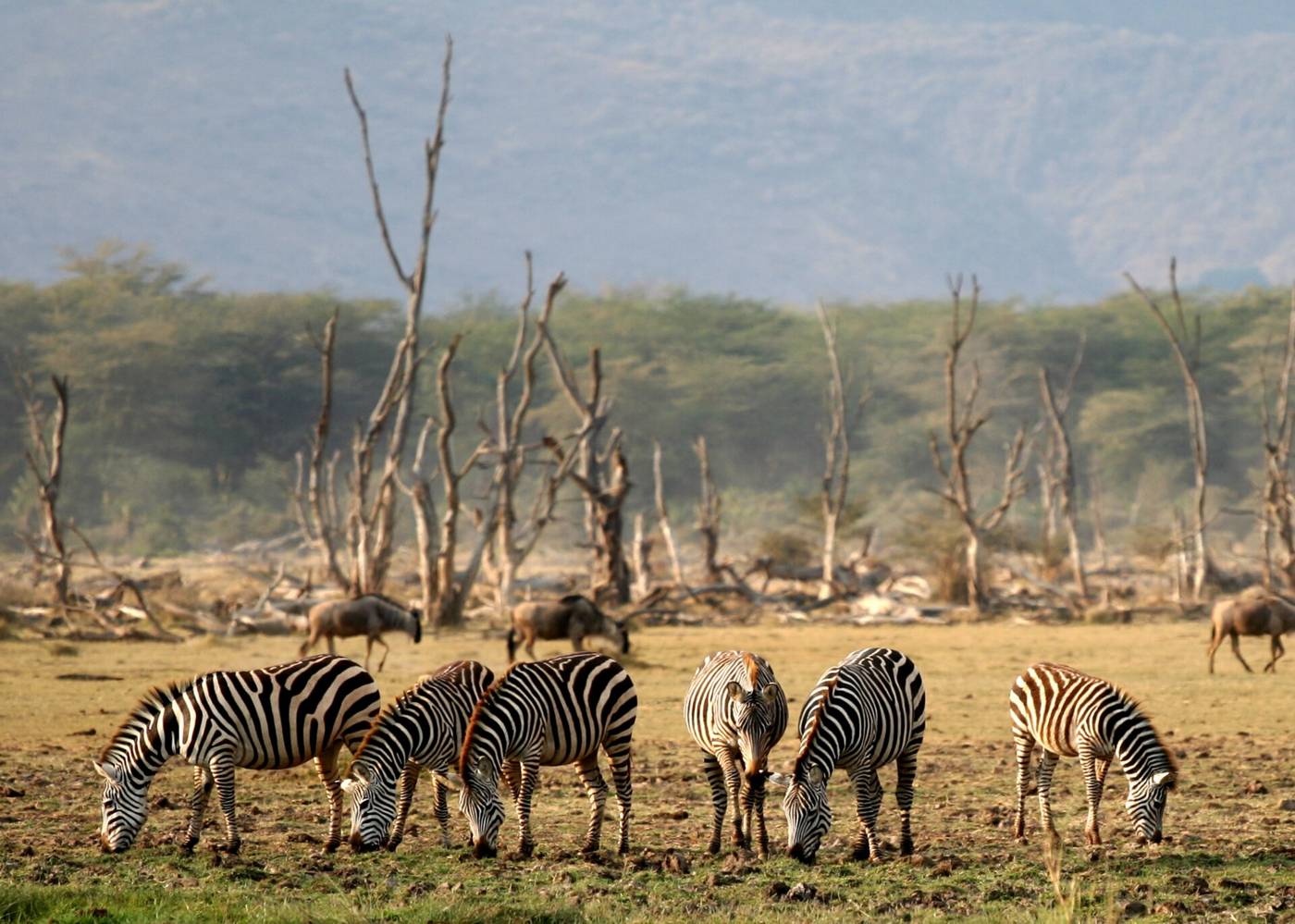
By January, the Great Migration herds have completed their southward journey from the Masai Mara and northern Serengeti and are gathering on the short grass plains of the southern Serengeti and the Ndutu area straddling the boundary of the Ngorongoro Conservation Area. These plains receive nutritious short grass following the November and December rains, and the wildebeest instinctively choose this area to give birth. Calving begins in earnest in late January and runs through February, with approximately 8,000 calves born per day at the peak of the season.
Wildlife Highlights in January
The concentration of wildebeest calves creates an extraordinary predator response. Every significant predator in the Serengeti converges on the calving grounds. Lion prides from the central and southern Serengeti shift their territories southward to exploit the sudden abundance of vulnerable prey. Cheetah mothers with cubs use the open, flat terrain of the short grass plains to mount sustained long-distance hunts. Leopards patrol the edges of the herds after dark. Spotted hyena clans follow the herds and take calves with their characteristic efficiency. Black-backed jackals dart in to steal scraps. Even the martial eagle and the tawny eagle take young calves in opportunistic strikes from above.
The drama of the calving season is not simply about predation. Watching a wildebeest calf take its first steps within minutes of birth, then run alongside its mother within the hour while a cheetah watches from a nearby rise, captures something essential about the cycle of life that makes the African savanna so compelling. The calving season is also the best time of year to observe wildebeest social behaviour: the frantic energy of females giving birth amidst a moving herd, the bonding between mother and calf in the critical first hours, and the gradual integration of the calf into the structure of the herd.
Weather in January
January sits in the short dry spell between the short rains (November to December) and the long rains (March to May). In practice, January in the southern Serengeti is often partly cloudy with occasional afternoon showers, particularly in the second half of the month. The landscape is green from the December rains but drying. Temperatures are warm: daytime highs typically reach 28 to 32 degrees Celsius, with pleasant evenings in the low 20s. Early morning game drives require a light jacket but quickly become warm as the sun rises. The overcast skies that sometimes characterize January are excellent for wildlife photography because they create soft, even light without the harsh shadows that bright midday sun produces.
Where to Stay in January
The most important positioning decision for a January visit is to be in the southern Serengeti and Ndutu area rather than the central or northern zones. The calving action is concentrated in a relatively small geographic area around Lake Ndutu and the adjacent short grass plains, and being within that area makes the difference between an extraordinary experience and a good but ordinary one. Ndutu Safari Lodge and several tented camps in the Ndutu area are the best positioned properties. Booking should be done at least 6 months in advance as the calving season is increasingly well known and the best Ndutu camps fill up early.
Crowds and Value in January
January sees moderate visitor numbers in the Serengeti. It is not peak season in the sense of July and August, and you will not encounter the vehicle density that the northern Serengeti sees during the migration season. However, the Ndutu area does get increasingly busy as the calving season becomes more widely known among safari travellers. Early January (before the main calving begins around the 20th of the month) tends to be quieter than late January and February. Lodge rates in January are generally competitive, lower than the July-October peak and comparable to the green season rates of March to May, making it one of the better value months on the Serengeti safari calendar.
Birdwatching in January
January is an excellent month for birdwatching in the Serengeti. The short rains have brought the Palearctic migrants into the park in large numbers, and the short grass plains host enormous flocks of European rollers, yellow wagtails, and steppe eagles. Waders gather around temporary water bodies. The resident breeding birds are active, with many species nesting during this period. For dedicated birders, January’s combination of resident species in breeding plumage and abundant migrants makes it one of the finest months of the year for the Serengeti’s 500+ species checklist.
Big Cat Viewing in January
The Serengeti’s big cat viewing in January is exceptional. The cheetah population of the central and southern Serengeti is at its most active and visible in January as the dry-season grass shortness of December continues into the new year. January’s short grass conditions mean that cheetah hunting and resting on the open plains is visible from game drive vehicles at distances that the taller wet season grass of February and March gradually obscures. The cheetah sightings in the Ndutu and Naabi Hill areas in early January before the rains arrive are among the finest in the annual calendar.
Lion viewing in January focuses on two zones: the central Seronera area, where the resident prides are at their most territorial and predictable, and the southern plains around Ndutu, where the prides have followed the calving wildebeest and are experiencing one of their most productive hunting seasons of the year. Watching lion cubs play on the short-grass plains of Ndutu while wildebeest calving herds graze nearby is one of the most complete wildlife ecosystem moments the Serengeti delivers.
Leopard viewing in January is focused in the Seronera River valley’s riverine woodland, where the central zone’s resident leopards spend the dry season in predictable territories along the kopje circuit. A January morning kopje circuit game drive in the Seronera area, with a guide who knows the resident females and their cub-raising patterns, can produce leopard sightings that extend to an hour or more of relaxed observation.
Frequently Asked Questions
Is January a good time to visit the Serengeti?
Yes, January is an excellent time to visit the Serengeti, particularly if you position yourself in the southern Serengeti and Ndutu area for the calving season. The wildebeest herds gather on the short grass plains, calving begins in late January, and predator activity is extraordinary. Visitor numbers are moderate, rates are competitive compared to peak season, and the weather is warm with occasional afternoon showers.
Where should I stay in the Serengeti in January?
The Ndutu area in the southern Serengeti is the best place to stay in January because this is where the calving action concentrates. Ndutu Safari Lodge and the mobile tented camps in the Ndutu Conservation Area are best positioned. Allow at least 3 nights in the Ndutu area and book at least 6 months in advance, as camps fill quickly during calving season. A split itinerary with 3 nights Ndutu and 3 to 4 nights central Serengeti covers both calving and resident big cat viewing.
What wildlife can I see in the Serengeti in January?
January offers exceptional wildlife viewing focused on the wildebeest calving season. You can see thousands of wildebeest calves being born, with predators including lions, cheetahs, leopards, hyenas, jackals, and eagles converging on the calving grounds. Big cat viewing is outstanding, especially cheetahs on the short grass plains. The central Seronera area offers reliable year-round lion and leopard sightings, while Ndutu delivers the calving drama.
How crowded is the Serengeti in January?
January sees moderate visitor numbers. It is significantly less crowded than July and August in the northern Serengeti, but the Ndutu area becomes increasingly busy as the calving season grows in popularity. Early January tends to be quieter than late January and February. Overall, January offers a good balance of excellent wildlife and manageable crowds, with lodge rates lower than peak season.
What is the weather like in the Serengeti in January?
January in the Serengeti is warm, with daytime temperatures of 28 to 32 degrees Celsius and pleasant evenings in the low 20s. It sits between the short rains and the long rains, so occasional afternoon showers are possible, particularly in late January. The landscape is green from December rains but drying. Early morning game drives can be cool, so pack a light jacket. Overcast skies often create excellent soft light for photography.
Plan Your January Serengeti Safari
Our safari specialists design personalised Tanzania itineraries timed to the January calving season, with the best-positioned Ndutu camps and expert guides.
Contact us today for a free, no-obligation quote on your January Serengeti safari.
Book Your Safari Now | Browse Sample Itineraries | Best Time to Visit
Plan this trip with us
Every safari we build is private and tailor-made around your dates, budget and the animals you most want to see.
Start planning
We plan private safaris across Kenya, Tanzania, Uganda and Rwanda, and write from time spent in these parks.