When to Go
Serengeti in May: Long Rains and Safari Tips
Visiting Serengeti in May? The Grumeti River crossings begin, camps are empty and rates are low. Here is what to expect and why May is an underrated month.

May is the Serengeti’s most underrated month, offering the first Grumeti River crossings, empty camps before the dry season surge, and outstanding value at the end of the long rains. While the calving season and Mara River crossings get most of the attention, May rewards well-informed travellers with dramatic crocodile action in the western corridor, lush green landscapes, and some of the lowest rates of the year. This guide explains why May can be the most rewarding month for a Serengeti safari. Explore our Serengeti safaris for May itineraries.
Key Highlights
- First Grumeti River crossings of the year
- Enormous Nile crocodiles, some over 5 metres long
- End of the long rains; landscape at peak green
- 30% to 50% lower rates than peak season
- Western corridor offers private, uncrowded game viewing
- Central Serengeti big cat viewing remains excellent
The Western Corridor and Grumeti River
By May, the Great Migration herds have moved through the central Serengeti and are pushing into the western corridor. The Grumeti River, which runs east-west through the western Serengeti before joining the Mara River system further north, creates the first major obstacle on the migration’s northward journey. The Grumeti crossings are less famous than the Mara River crossings of July to October but offer something equally dramatic: the chance to watch wildebeest commit to a wide, murky river patrolled by some of the largest Nile crocodiles in Africa.
The crocodiles of the Grumeti River are genuinely enormous. Some individuals reach over 5 metres in length and are estimated to be 70 to 80 years old. These ancient reptiles have spent their entire lives in the Grumeti, growing fat on the annual flood of wildebeest that passes overhead in May and June. Unlike the Mara River crossings, where crossings happen at a relatively small number of traditional points, the Grumeti crossings can occur at multiple points along the river and require a guide with strong local knowledge to position you correctly. The best western corridor camps have guides who track the herds and the crocodile activity daily.
What Makes May Special Beyond the Grumeti
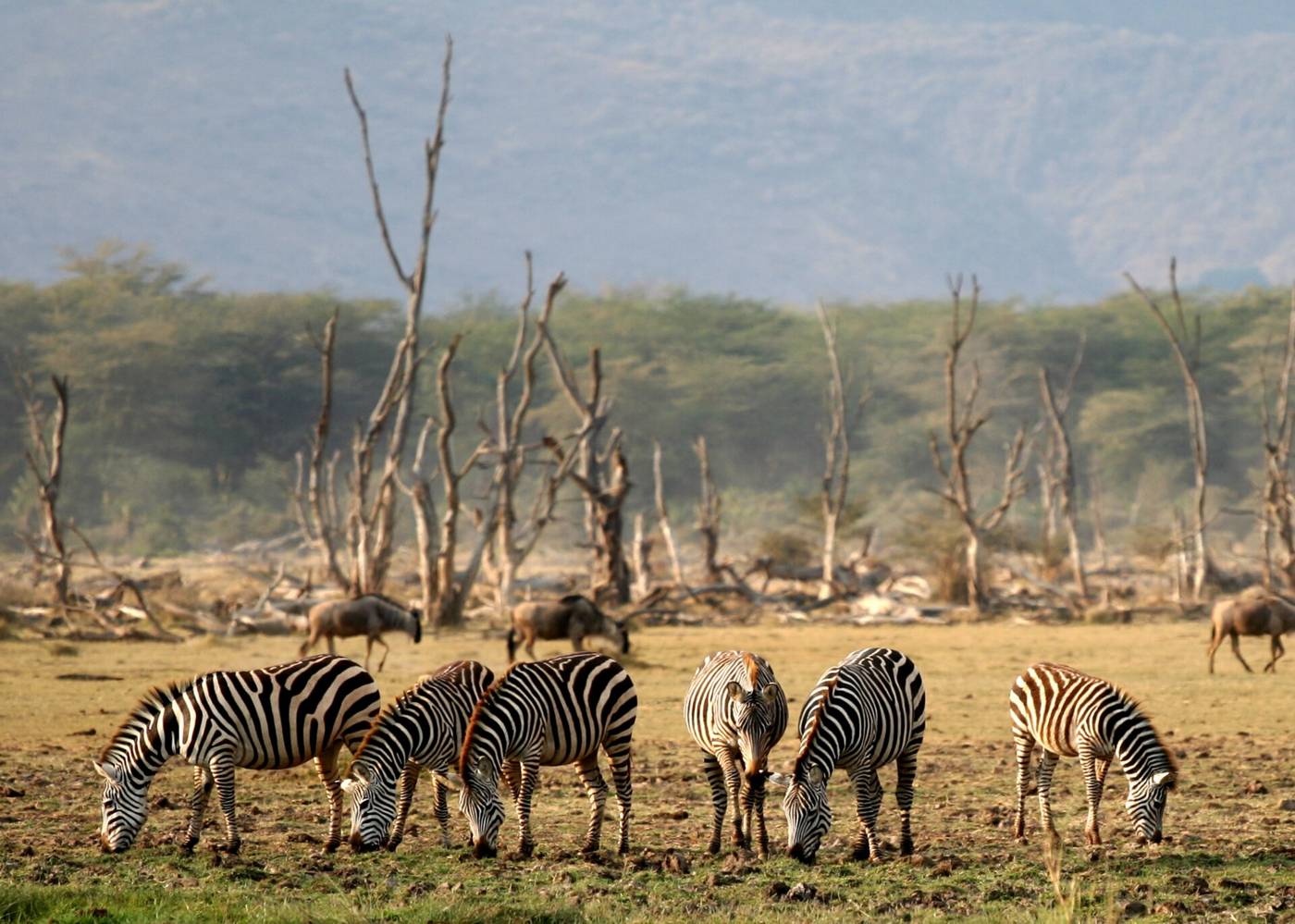
The Grumeti crossings are the headline event in May, but the entire western corridor offers exceptional wildlife viewing for reasons that go beyond the migration. The woodland and riverine forest of the western zone supports strong populations of species that are less common in the open central Serengeti: topi in large herds, roan antelope (rare and worth celebrating when found), African wild dogs occasionally passing through on their enormous territorial ranges, and an outstanding diversity of forest birds in the riparian vegetation along the Grumeti and its tributaries.
The western Serengeti also has its own character that is distinct from the more famous central and northern zones. The landscape is more varied: rolling hills, dense woodland patches, rocky outcrops, and the winding river create a mosaic of habitats that produces wildlife surprises at every turn. The tourist pressure in the western corridor in May is a fraction of what the central zone sees even in moderate months, meaning that sightings here feel genuinely private and unhurried.
End of the Long Rains
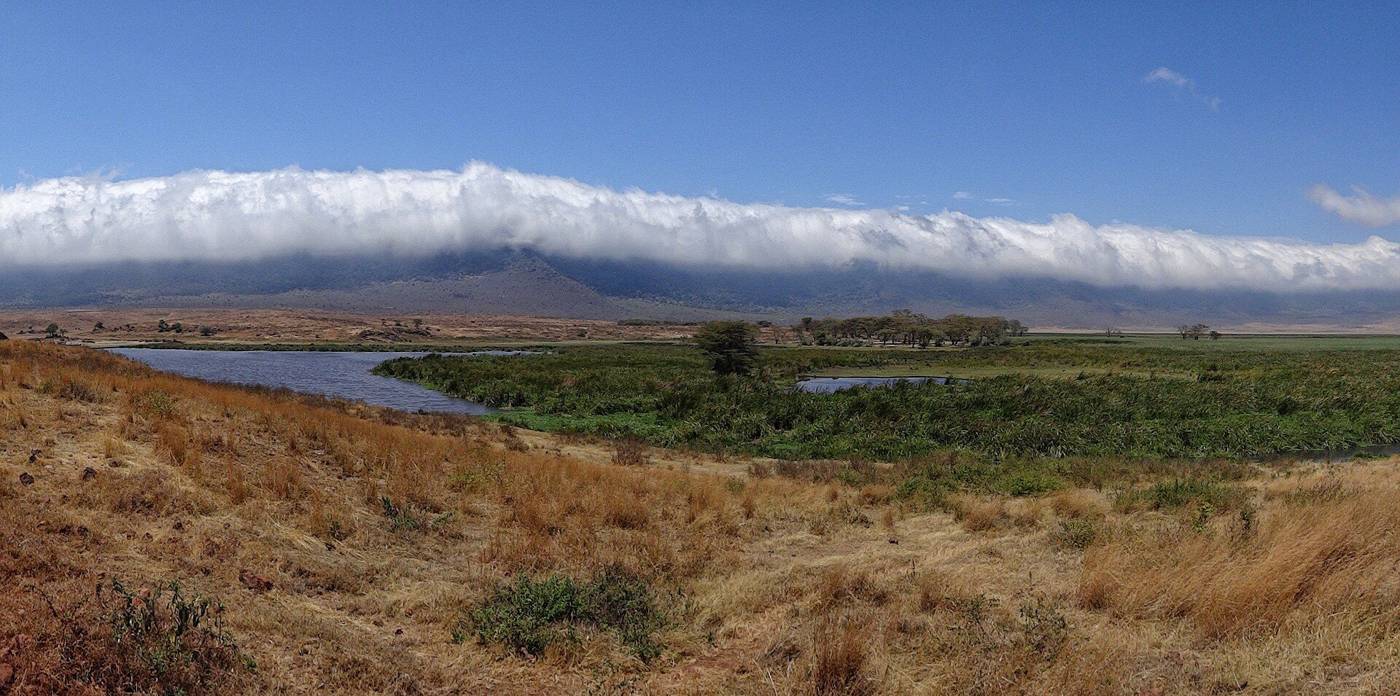
May is the final month of the long rains, and as the month progresses the rainfall typically begins to ease. The first half of May can still see significant rain and associated road challenges, but by the second half of the month the showers become lighter and less frequent. The landscape in late May has the fresh green richness of the peak wet season combined with the beginning of the accessibility that the dry season brings. It is arguably the most beautiful time of year in the Serengeti from a purely aesthetic standpoint: every shade of green is represented, from the almost blue-green of the new grass through the deep forest green of the riverine woodland to the yellow-green of the mature plains grass glowing in afternoon sun.
Wildlife Highlights in May
The central Serengeti around Seronera remains productive for big cats in May. Lion prides are well-fed following months of abundant prey during the migration and calving season. Leopards in the Seronera River woodland are active and visible, particularly in the early morning. Cheetahs on the eastern plains hunt the resident gazelle population and occasional straggler wildebeest. Elephants move in family groups across the western and central zones, taking advantage of the abundant vegetation. The hippo pods in the full Seronera River pools are at their most crowded and noisy of the year.
The bird diversity in May is spectacular. Resident breeding species are active and often in their finest plumage. Palearctic migrants are completing their final weeks in East Africa before their northward departure, so May birding can still catch large numbers of warblers, waders, and raptors. The yellow wagtails that carpet the short grass areas around wildebeest herds are particularly numerous in May before they begin their long northward journey.
Accommodation and Value in May
May offers the best value of any month in the Serengeti safari calendar. Low season rates apply across the board, with discounts of 30% to 50% from peak season prices at equivalent properties. These are substantial savings that can allow a significant upgrade in accommodation quality or a longer stay for the same total budget.
Camp selection in May requires more research than in peak season because some properties close for the rainy season. The western corridor has a smaller number of camps than the central zone, but those that operate year-round tend to be the more established and reliable properties. Always confirm operational status when booking a May safari.
Practical Tips for May
Pack for variable weather. May mornings can be clear, warm, and beautiful. May afternoons can bring dramatic storms with heavy rain, lightning, and strong winds. A waterproof layer, waterproof boots, and protection for camera equipment are essential. Vehicle selection matters: ensure your safari vehicle is a proper high-clearance 4×4 with good tyres capable of handling muddy tracks.
The western corridor camps near the Grumeti River require a charter flight or a longer road transfer than the central Serengeti. From Arusha, the road transfer to the Grumeti area takes 6 to 8 hours. The charter flight from Arusha to Grumeti Airstrip takes about 60 minutes and is well worth the cost if your time is limited.
Frequently Asked Questions
Is May a good time to visit the Serengeti?
Yes, May is an excellent time to visit the Serengeti for travellers who want value, exclusivity, and the Grumeti River crossings. It is the final month of the long rains, so early May can still be wet, but late May is often beautiful. The western corridor offers dramatic wildebeest crossings with enormous crocodiles, while the central Serengeti delivers reliable big cat sightings. Rates are 30% to 50% below peak season.
Where should I stay in the Serengeti in May?
The western corridor is the best place to stay in May for the Grumeti River crossings. A handful of camps operate year-round in this area and have expert guides who track the herds and crocodile activity daily. The central Serengeti around Seronera is also productive in May, particularly for big cats. Confirm camp operational status before booking, as some properties close during the rainy season.
What is the weather like in May in the Serengeti?
May is the final month of the long rains. The first half can still see significant rain and muddy roads, but rainfall typically eases in the second half of the month. Mornings are often clear and warm, while afternoons can bring dramatic storms. Daytime temperatures are pleasant. Late May combines lush green landscapes with improving accessibility and is one of the most beautiful times of year in the Serengeti.
Can you see river crossings in May?
Yes, the Grumeti River crossings begin in May in the western corridor. These crossings are less predictable and less crowded than the Mara River crossings of July to October, but they can be equally dramatic. Enormous Nile crocodiles patrol the Grumeti, and crossings can happen at multiple points along the river. A knowledgeable guide is essential for positioning at the right place at the right time.
Are safaris cheaper in May?
Yes, May offers some of the best safari value of the year in the Serengeti. Low season rates mean discounts of 30% to 50% compared with July to October peak season. This allows travellers to upgrade their accommodation, extend their stay, or simply enjoy the same quality of safari at a much lower price. The trade-off is more variable weather and the need to confirm which camps are open.
Plan Your May Serengeti Safari
Our safari specialists design personalised Tanzania itineraries timed to the May Grumeti crossings, with the best western corridor camps and expert guides.
Contact us today for a free, no-obligation quote on your May Serengeti safari.
Book Your Safari Now | Browse Sample Itineraries | Best Time to Visit
Plan this trip with us
Every safari we build is private and tailor-made around your dates, budget and the animals you most want to see.
Start planning
We plan private safaris across Kenya, Tanzania, Uganda and Rwanda, and write from time spent in these parks.