When to Go
Serengeti in September: River Crossings and Wildlife
September in the Serengeti offers peak migration crossings, big cat sightings, golden light, and fewer crowds than August.

September is the Serengeti’s best-kept secret, offering almost everything that makes July and August spectacular — the herds in the north, Mara River crossings, peak dry-season wildlife — but with thinner crowds, easing rates, and exceptional golden-hour light. Experienced safari guides and repeat visitors often rank September among the finest months. This guide explains why September deserves serious consideration for your Serengeti safari. Explore our Serengeti safaris for September itineraries.
Key Highlights
- Herds still in the north; Mara River crossings continue
- 20% to 30% fewer visitors than August
- Rates begin to ease, especially in late September
- Golden, amber light exceptional for photography
- Outstanding big cat sightings across the park
- Best areas: northern Serengeti and central Seronera
The Migration in September
The Great Migration herds do not begin their southward return journey until October in most years. Through September, the wildebeest remain concentrated in the northern Serengeti and Masai Mara, and the Mara River crossings continue with good frequency. In some years, September actually produces some of the best crossing events of the entire season: the herds have been in the north for several months and are becoming increasingly eager to return south as the northern grass is grazed down, leading to more frequent and more urgent crossing attempts.
The rhythm of the crossings changes slightly in September compared to July and August. July crossings are often tentative: the herds are newly arrived and the animals are cautious at this unfamiliar river. By September, the surviving animals of the crossing season have made multiple crossings and, while never losing their fear of the water, have accumulated experience that produces slightly more decisive crossing behaviour. The crocodiles, by September, have been feeding well for two months and are somewhat satiated, which does not eliminate predation but does reduce the frenzy of the early season crossings.
Big Cat Sightings in September
September is outstanding for big cat sightings across the Serengeti. In the north, lions are fat, active, and frequently seen in large prides following the migration herds. In the central Serengeti, the resident prides of the Seronera Valley maintain their year-round patterns, hunting the resident prey species that stay in this area regardless of the migration. Cheetah sightings in September are excellent: the dry season has reduced the grass to its annual minimum and cheetah visibility across the open plains is at its best. The eastern Serengeti around Namiri Plains is particularly well known for cheetah sightings in September.
Leopard sightings along the Seronera River and in the riverine woodland of the northern zone are consistently good. September’s clear skies and good visibility make finding a leopard in a tree significantly easier than in the taller grass of the wet season. Experienced guides watch specific trees that resident leopards favour and can often predict encounters with a precision that seems almost magical to first-time visitors.
The September Light: A Photographer’s Advantage
Something subtle but significant happens to the quality of light in the Serengeti in September. As the dry season progresses through July and August, fine dust particles accumulate in the atmosphere. These particles are invisible to the naked eye in clear conditions but profoundly affect the quality of light, particularly at the golden hours of dawn and dusk. The dust scatters the blue wavelengths of the sun’s light more effectively, concentrating the warm red and amber wavelengths that remain. The result is that sunrises and sunsets in September have a depth and warmth of colour that July and August, despite their clear skies, do not always match. For wildlife and landscape photographers, September’s golden hour light is among the finest available in East Africa at any time of year.
Wildlife Beyond the Migration in September
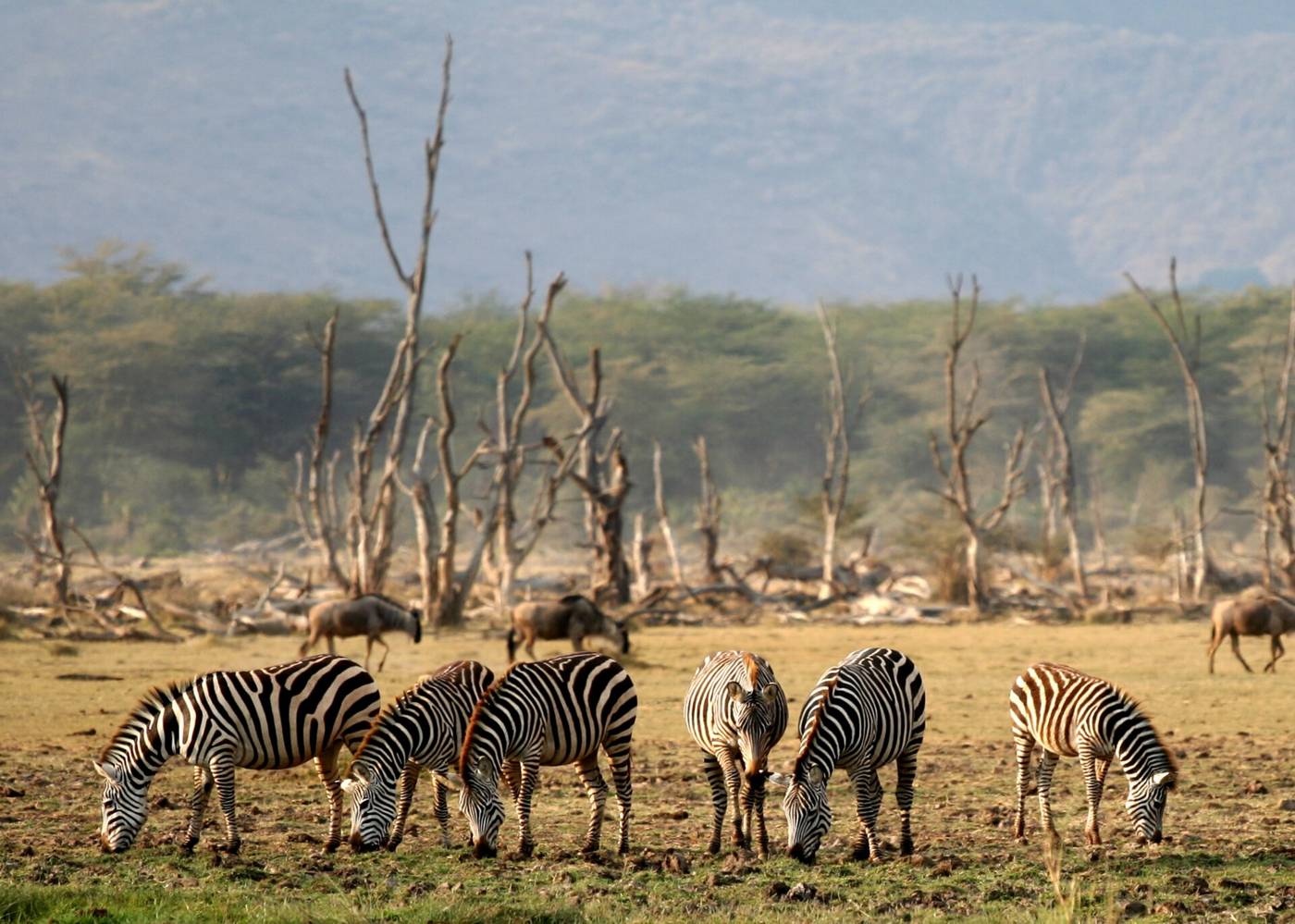
The resident wildlife of the Serengeti that does not participate in the migration is equally compelling in September. Elephants are among the most frequently encountered large mammals: family groups move between water sources and feeding areas across the central and western zones, and their large size and predictable behaviour patterns make them reliable sightings on almost every drive. The elephant families of the northern and western Serengeti are well habituated to safari vehicles and can be approached to remarkably close distances for observation and photography.
Buffalo form their enormous dry-season aggregations in September, with herds of 500 to 1,500 individuals concentrated around the remaining water sources. These large herds attract lion attention and some of the most dramatic large prey hunts of the year occur in September when lion coalitions attempt to separate and bring down full-grown buffalo. Hippos in the Seronera and Mara rivers are at their most territorially aggressive in September as water levels have dropped to annual lows and competition for pool space intensifies.
Visitor Numbers and Value in September
Visitor numbers in September are lower than July and August but still significant: September is recognised as an excellent safari month and is popular with European travellers making the most of the final weeks of summer before schools reopen. The reduction in visitor density compared to August is typically 20% to 30% rather than the 50% drop that comes in October and November. This is enough to produce noticeably less crowded game drives and significantly better sightings around big predator events.
Accommodation rates in the northern Serengeti begin to ease in September, with some properties moving to shoulder season pricing in the second half of the month. A luxury camp that charged 2,000 USD per person per night in August may reduce to 1,100 to 1,300 USD in September, still expensive but a meaningful saving for a multi-night stay. Mid-range properties see comparable percentage reductions.
Frequently Asked Questions
Is September a good time to visit the Serengeti?
Yes, September is one of the best times to visit the Serengeti. The Great Migration herds are still in the north, Mara River crossings continue, and the dry season concentrates wildlife for excellent viewing. Crowds are thinner than in July and August, rates begin to ease, and the golden light is exceptional for photography. Many experienced safari guides rank September above August for overall experience.
Where should I stay in the Serengeti in September?
The northern Serengeti around Kogatende remains the best base in September for Mara River crossings, particularly in the first half of the month. The central Serengeti around Seronera is excellent throughout September for resident big cats and is less crowded than the north. A split itinerary combining both areas gives you the best coverage. Rates are lower than August, but the best camps still book up, so plan 6 to 9 months ahead.
Can you see river crossings in September?
Yes, Mara River crossings continue in September and can be excellent. The herds remain in the northern Serengeti and Masai Mara until October in most years, and crossing activity often remains strong through the first half of September. In some years, September produces particularly dramatic crossings as the herds become eager to move south. Crossings become less frequent in late September as the migration begins its southward return.
How much does a September Serengeti safari cost?
September is cheaper than July and August but still expensive. Luxury camps in the northern Serengeti typically cost 1,100 to 1,800 USD per person per night, down from peak August rates. Mid-range properties offer comparable savings. A 7-day September safari might cost 5,500 to 10,000 USD per person depending on accommodation. The best value is usually in the second half of September when shoulder season rates kick in.
What is the weather like in September in the Serengeti?
September in the Serengeti is dry, sunny, and warm, with daytime temperatures of 25 to 29 degrees Celsius. Nights and early mornings remain cool, especially in the north, with pre-dawn temperatures of 12 to 15 degrees Celsius. Rain is extremely unlikely. The accumulated dust in the atmosphere creates exceptional golden-hour light at sunrise and sunset, making September a favourite month for photographers.
Plan Your September Serengeti Safari
Our safari specialists design personalised Tanzania itineraries timed to September’s late crossings, golden light, and shoulder season value.
Contact us today for a free, no-obligation quote on your September Serengeti safari.
Book Your Safari Now | Browse Sample Itineraries | Best Time to Visit
Plan this trip with us
Every safari we build is private and tailor-made around your dates, budget and the animals you most want to see.
Start planning
We plan private safaris across Kenya, Tanzania, Uganda and Rwanda, and write from time spent in these parks.